 cook
cook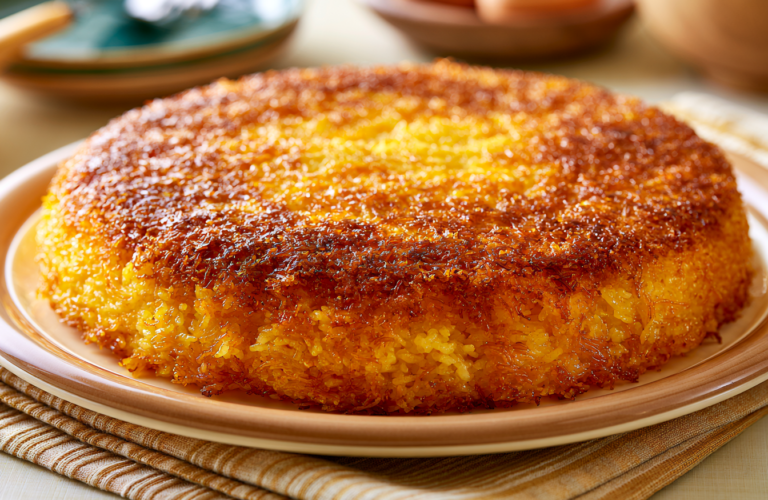
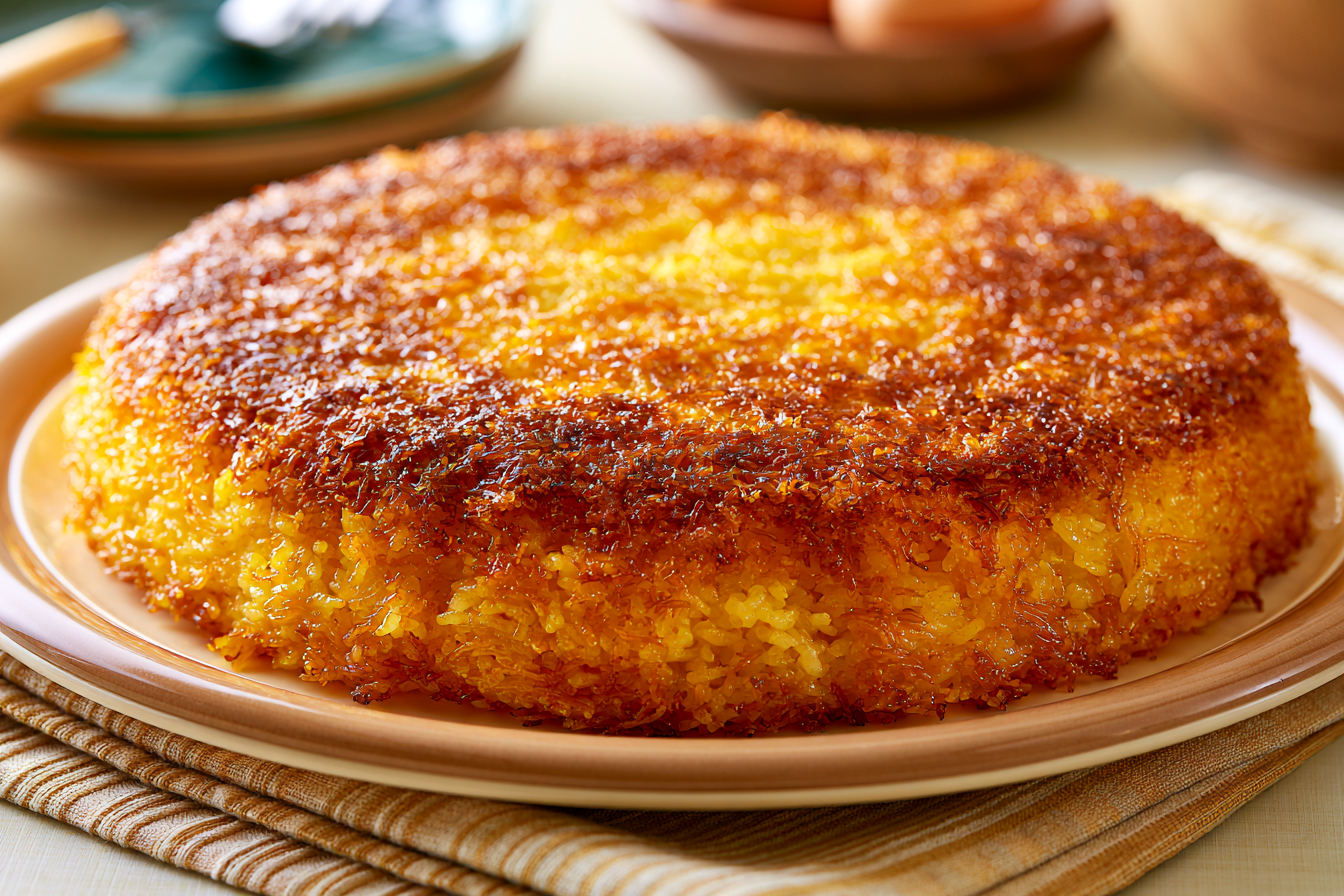
Tahdig is the crown jewel of Persian rice cooking—the crispy, golden-brown crust that forms on the bottom of the pot when rice is cooked with butter and a carefully managed heat. It’s technically the by-product of a specific cooking method, but it’s so prized that it’s often considered the best part of the meal. Tahdig is the side dish that accompanies almost every Persian dinner, adding texture and richness to stews, roasted meats, and vegetable dishes.

What is tahdig?
Tahdig (or “tah dig,” meaning “bottom of the pot” in Persian) refers to the crispy rice crust that forms when partially cooked rice is layered with butter and steamed over high heat. The bottom layer of rice makes contact with the hot pot bottom and gradually toasts, creating a thin, crunchy, golden-to-brown layer. It’s not burnt (though it can look like it)—it’s intentional and deeply savory. The texture contrasts beautifully with the fluffy rice on top, and the nutty, buttery flavor makes it addictively good. Tahdig is the traditional way to finish Persian rice and is often served in pieces on top of the fluffy rice as an honor to the guest.
Why you’ll love it
- Simple, elegant, and deeply satisfying—just rice, butter, and heat
- The crispy texture and nutty flavor elevate even plain rice into something special
- A technique you can master at home with basic pantry ingredients and a little attention to the stovetop
- Naturally gluten-free and works for most dietary restrictions (except dairy-free)
Ingredients (serves 4)
| Ingredient | Amount | Where to find it / Substitutes |
|---|---|---|
| Long-grain white rice (basmati preferred) | 300 g (1.5 cups) | Pantry staples or specialty rice aisle; jasmine or other long-grain rice can substitute |
| Water | 600 ml (2.5 cups) | Tap water |
| Salt | 1.5 tsp | Pantry staples |
| Butter (unsalted) | 3 tbsp | Dairy aisle |
| Plain yogurt (optional, for layering) | 2–3 tbsp | Dairy aisle; creates extra steam and helps the crust form |
| Saffron threads (optional but traditional) | Pinch (about 10–15 threads) | Specialty spice aisle; adds color and aroma; omit if unavailable |
| Warm water (if using saffron) | 2 tbsp | Tap water |
Allergens: Dairy (butter, yogurt). Rice is naturally gluten-free.
How to make it
-
Prepare the saffron (if using): Steep the saffron threads in 2 tbsp of warm water for 5–10 minutes until the water turns golden. Set aside.
-
Par-cook the rice: Rinse the rice thoroughly under cold water until the water runs mostly clear. In a large pot, bring 600 ml of water to a boil with 1.5 tsp salt. Add the rinsed rice and stir. Bring back to a boil, then reduce heat to medium and simmer uncovered for 5–7 minutes, until the rice is about halfway cooked (still firm in the center but no longer hard). The rice should absorb some water but not be fully tender. Drain well through a fine-mesh colander and set aside.
-
Layer the rice: In a non-stick or heavy-bottomed pot (with a lid), melt 1.5 tbsp of the butter over medium heat. If using yogurt, mix it with 2–3 tbsp of the cooked rice and spread this mixture evenly on the bottom of the pot (this helps the crust form and prevents sticking).
-
Build the layers: Gently add about half of the drained rice to the pot, mounding it slightly in the center. Use a rice paddle or spoon to create a small pyramid shape. Dot with another 1 tbsp of butter. Add the remaining rice on top, mounding it again. Drizzle the remaining 0.5 tbsp butter over the top and the saffron water (if using) for color and aroma.
-
Steam with high heat initially: Cover the pot tightly with a lid (if your lid doesn’t fit snugly, wrap the pot with a damp kitchen towel under the lid to seal in steam). Turn the heat to high for 2–3 minutes. You should hear the rice crackling and smell the butter beginning to toast. This is the sound of the tahdig crust forming.
-
Reduce to low heat: After 2–3 minutes, reduce the heat to low and cook for another 20–25 minutes without opening the lid. The rice on top will steam and cook through, and the bottom layer will slowly toast into a crust. Listen—you should hear gentle, occasional crackling. If you smell burning (rather than toasting), reduce heat slightly.
-
Check for doneness (optional): After 20 minutes, carefully lift the lid and check a few grains at the edge—they should be fluffy and tender. The rice on top is done when fully opaque and tender. If still firm, cover and cook for another 5 minutes.
-
Crust check: Tilt the pot slightly and listen for a crispy, crunching sound. If you feel confident, you can try lifting the edge of the crust gently with a rice paddle—it should crack and lift away from the sides of the pot.
-
Unmold and serve: Increase heat to medium for the last minute to crisp the crust if desired, then turn off the heat. Invert the pot carefully onto a serving platter. The fluffy rice will tumble out first, and if the timing is perfect, the golden-brown tahdig crust will be on top like a crown. If the crust didn’t unmold cleanly, scrape the pieces from the pot and arrange them on top of the rice. Serve while hot.
Tips for success
- Use a heavy-bottomed pot with a tight-fitting lid: A thin pot heats unevenly and may burn the bottom. A non-stick pot helps, but stainless steel or cast iron work too.
- Don’t open the lid during cooking: Steam is your friend. Opening it releases moisture and prevents the rice from cooking evenly. Resist the urge to peek.
- Listen for the crackling: The sound of the crust forming is music to a Persian cook’s ears. That gentle crackling means it’s working.
- High heat for 2–3 minutes is key: This jump-starts the crust formation. After that, low heat finishes the job without burning.
- The goal is golden to dark brown, not black: A little char adds flavor, but fully burnt tastes acrid. The crust should smell nutty, not acrid.
Variations / Storage
- With yogurt: Use yogurt mixed with a few grains of rice as the base layer (traditionally called “taah-dig yogurt”) to create a richer, tangier crust.
- With crispy potatoes: Instead of yogurt, layer thin-sliced potatoes (parboiled for 3 minutes) on the bottom for a different crust texture.
- Saffron rice: Infuse the whole rice with a small pinch of saffron threads steeped in warm water—the rice takes on a delicate golden hue.
- Herbed tahdig: Add 2–3 tbsp of chopped fresh dill or parsley mixed with butter on top of the rice before the final steam.
- Storage: Tahdig is best enjoyed fresh and warm, but leftovers can be stored in an airtight container in the refrigerator for up to 2 days — storage life varies with conditions. The crust will soften over time. Reheat in a 160℃ (320℉) oven wrapped in foil for 10 minutes to restore some crispness.
FAQ
Q. How do I know when the tahdig is done without opening the lid?
A. Listen for gentle, periodic crackling sounds. After 20 minutes on low heat, you can carefully crack the lid open (keeping most of the steam in) and check the rice at the edges—it should be fluffy and opaque. The crust should sound crunchy if you tilt the pot and listen.
Q. What if the rice burnt instead of forming a crust?
A. You likely turned the heat up too high or left it on high for too long. Make sure to reduce to low heat after 2–3 minutes. Also, make sure the pot bottom is heavy enough to distribute heat evenly. Non-stick pots are more forgiving.
Q. Can I use brown rice or other rice varieties?
A. Tahdig works best with long-grain white rice (basmati or jasmine). Brown rice takes longer to cook and may not crisp as well. Short-grain rice like sushi rice will work but will be stickier.
Q. What’s the difference between tahdig and burnt rice?
A. Burnt rice tastes acrid and bitter. Tahdig is golden to dark brown and tastes nutty and buttery. The difference is control—tahdig is intentional and carefully timed, not accidental overcooking.
Q. Do I need saffron?
A. No—saffron is traditional but optional. It adds aroma and a delicate golden color. Plain tahdig (without saffron) is delicious and authentic. Skip it if you prefer or can’t find it.
Q. Can I make tahdig in a rice cooker?
A. Not really—rice cookers can’t generate the high bottom heat needed for a crust. Stovetop cooking is essential for true tahdig.


