cook
cook
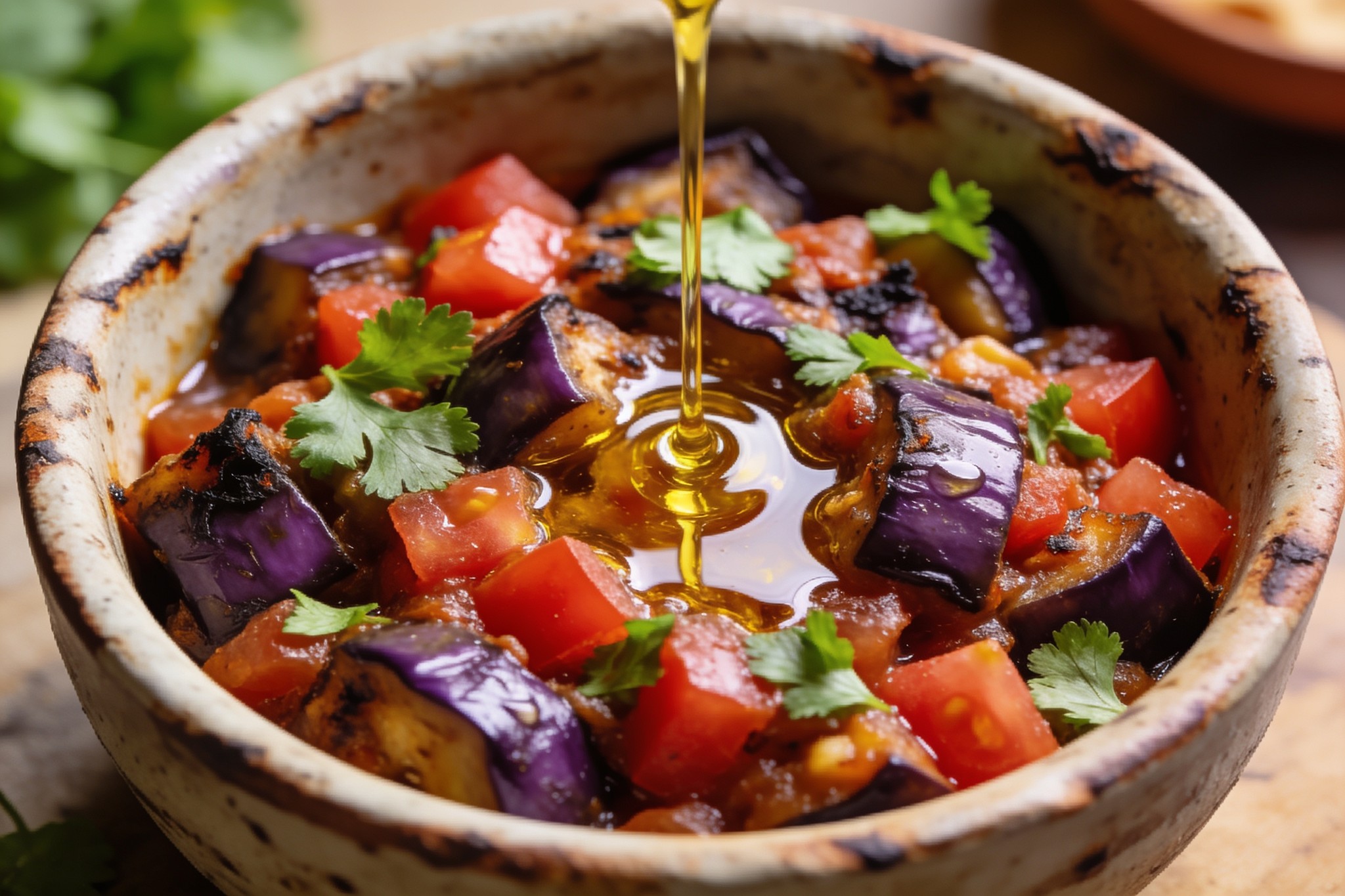
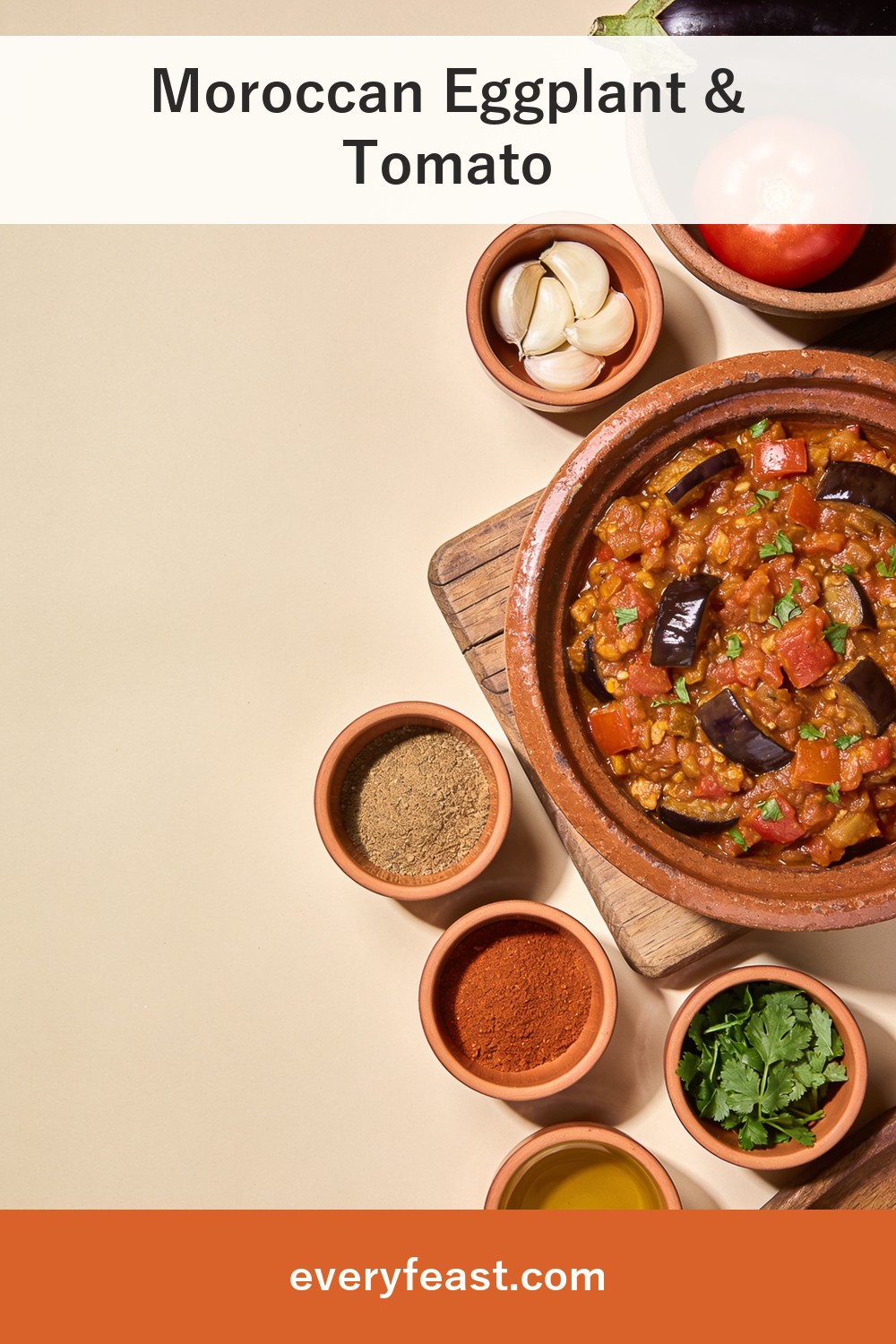
Zaalouk is a warm Moroccan salad that brings together soft, tender eggplant and fresh tomato, lightly cooked down with aromatic cumin, smoky paprika, and a whisper of garlic. Drizzled with fragrant olive oil and finished with fresh cilantro, this simple yet deeply flavorful dish is the kind of side that steals the spotlight at dinner.
What is zaalouk?
Zaalouk is a traditional Moroccan warm salad made by cooking eggplant and tomato together with garlic and warm spices. It’s neither raw nor heavily cooked—the vegetables remain tender but hold their shape, allowing their natural flavors to shine through the layer of Moroccan spices. It’s served at room temperature or warm, making it a versatile side for tagines, grilled meats, or any Mediterranean-inspired dinner.
Why you’ll love it
- Aromatic, deeply spiced, and naturally vegetarian—perfect alongside any main course
- Requires minimal skill but tastes like you spent all day cooking
- Light, healthy, and ready in under 20 minutes
Ingredients (serves 4)
| Ingredient | Amount | Where to find it / Substitutes |
|---|---|---|
| Eggplant (medium), cut into 1 cm cubes | 500 g (1 medium) | Produce section; any variety works |
| Tomatoes (fresh, ripe), diced | 300 g (2 medium) | Produce section; or use 1 can (400 g) crushed tomatoes if fresh unavailable |
| Garlic, minced | 3 cloves | Fresh produce |
| Ground cumin | 1 tsp | Spice aisle |
| Smoked paprika (or regular paprika) | 1 tsp | Spice aisle |
| Kosher salt | 1 tsp | Pantry staples |
| Black pepper | 0.5 tsp | Pantry staples |
| Extra-virgin olive oil | 3 tbsp (45 ml) | Pantry or specialty aisle |
| Fresh cilantro (or parsley), chopped | 15 g (2 tbsp) | Fresh herbs section; optional but recommended |
| Preserved lemon, finely minced (optional) | 1 tbsp | Specialty aisle or international section; or add 1 tbsp lemon juice |
Allergens: None in the base recipe. All vegetables are naturally cooked and safe. Eggplant is not a common allergen.
How to make it
-
Prepare the eggplant: Cut the eggplant into 1 cm (0.4 inch) cubes. If you prefer, toss with a pinch of salt and let sit in a colander for 10 minutes to release excess moisture, then rinse and pat dry (this step is optional but helps reduce oil absorption).
-
Cook the eggplant: Heat 2 tbsp of the olive oil in a large skillet over medium-high heat. Once shimmering, add the eggplant cubes in a single layer (you may need to work in batches). Cook for 5–7 minutes, stirring occasionally, until the eggplant is golden and tender. Transfer to a plate.
-
Add the aromatics: In the same skillet, reduce heat to medium and add the remaining 1 tbsp olive oil. Add the minced garlic and cook for 1 minute until fragrant, stirring constantly to avoid burning.
-
Season and add tomatoes: Stir in the ground cumin and smoked paprika, cooking for 30 seconds until the spices bloom and become aromatic. Add the diced fresh tomatoes (or crushed canned tomatoes), salt, and black pepper. Stir well and cook for 3–4 minutes, allowing the tomato to break down slightly and release its juices.
-
Combine and finish: Return the cooked eggplant to the skillet and stir gently to combine with the tomato mixture. Cook for another 2–3 minutes, stirring occasionally, until everything is heated through and flavors meld. Taste and adjust seasoning.
-
Serve: Transfer to a serving plate or individual bowls. Top with fresh cilantro and preserved lemon (if using) for brightness. Serve warm or at room temperature.
Tips for success
- Don’t skip the spice bloom: Cooking the paprika and cumin in hot oil for 30 seconds releases their essential oils and deepens their flavor—this is a crucial step.
- Control the heat: Medium to medium-high heat prevents the paprika from burning and turning bitter. Burnt paprika will ruin the dish.
- Eggplant absorbs oil: If you like a less oily result, cook the eggplant only until golden (not dark), and don’t add extra oil.
- Fresh cilantro makes a difference: A bright garnish of cilantro lifts the whole dish; don’t skip it if you have it on hand.
- Preserved lemon vs. fresh: If using preserved lemon, mince it finely and add sparingly—it’s intensely salty and tangy. Fresh lemon juice is milder; use more liberally.
Variations / Storage
- Spicier version: Add 1/4 tsp of cayenne pepper or fresh minced chili for heat.
- Richer zaalouk: Stir in a pinch of ground cinnamon or a touch of honey for warmth and depth.
- Chunky style: Leave the tomatoes in larger pieces rather than dicing them.
- Cold salad: Chill zaalouk in the refrigerator and serve cold as a refreshing summer side.
- Storage: Cool zaalouk completely and transfer to an airtight container. Store in the refrigerator for up to 3 days — storage life varies with conditions. Reheat gently in a skillet over low heat or in the microwave. Zaalouk actually tastes even better the next day as flavors deepen.
FAQ
Q. What’s the difference between zaalouk and baba ganoush?
A. Zaalouk is a cooked salad with tomato and eggplant; baba ganoush is a creamy roasted eggplant purée. Zaalouk stays chunky and fresh-tasting, while baba ganoush is smooth and rich.
Q. Can I make zaalouk without preserved lemon?
A. Yes, absolutely. Fresh lemon juice (1–2 tbsp) is a fine substitute and adds brightness. Omit it entirely if you don’t have either.
Q. Should I peel the eggplant before cooking?
A. No—leave the skin on. It holds the eggplant together as it cooks and adds color and nutrition.
Q. Can I use roasted eggplant instead of sautéed?
A. Yes—roast 1 cm cubes at 200℃ (400℉) for 15 minutes, stirring halfway, until golden. Then proceed from Step 4.
Q. Is zaalouk typically served warm or cold?
A. Both. Zaalouk is delicious warm, room temperature, or chilled. Serve it however you prefer or refrigerate and reheat before serving.