cook
cook
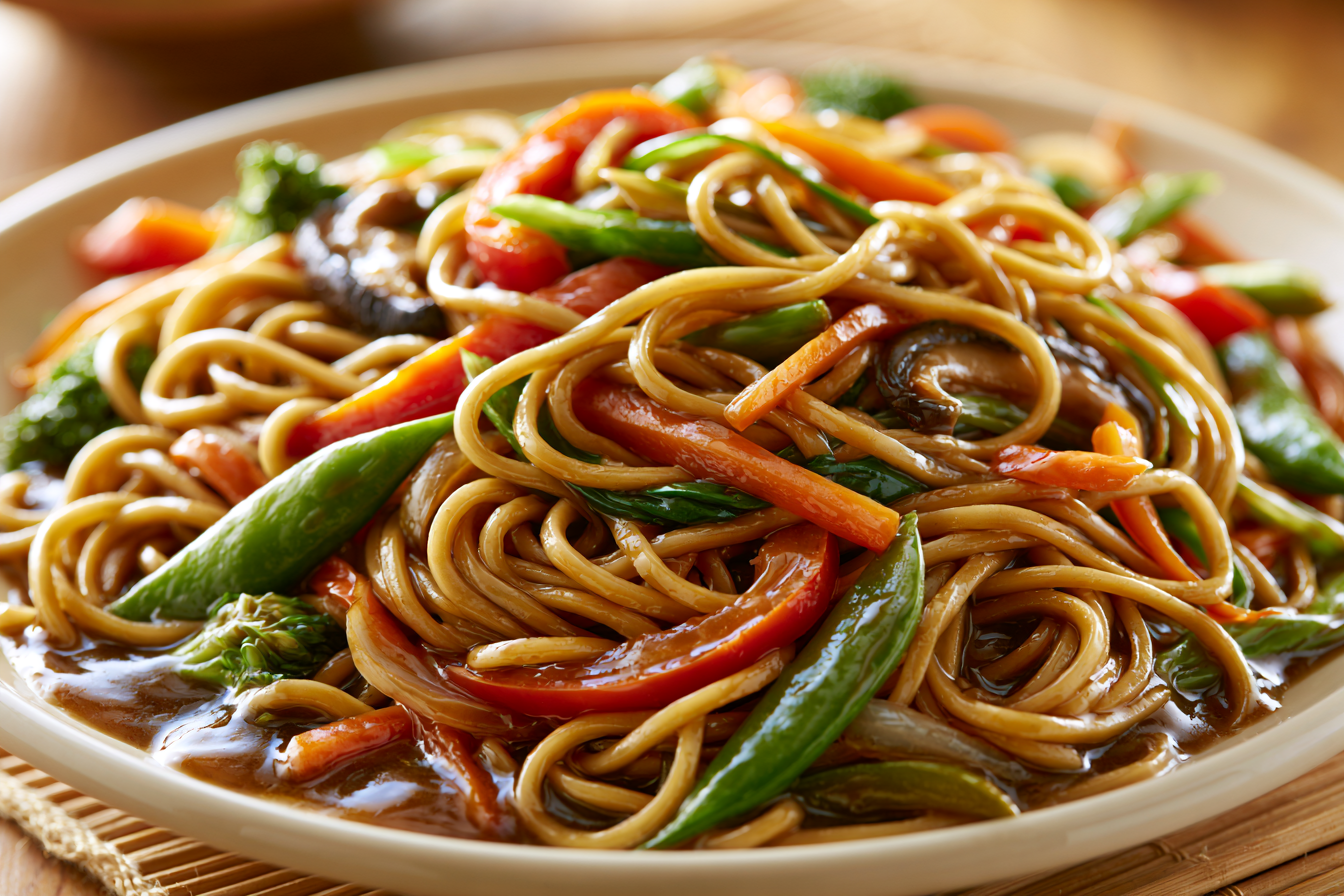
Lo mein is a beloved Chinese noodle dish where soft wheat noodles are tossed with colorful vegetables in a glossy, savory sauce. It’s quick to make, endlessly customizable, and deeply satisfying—perfect for a weeknight dinner that tastes like takeout.
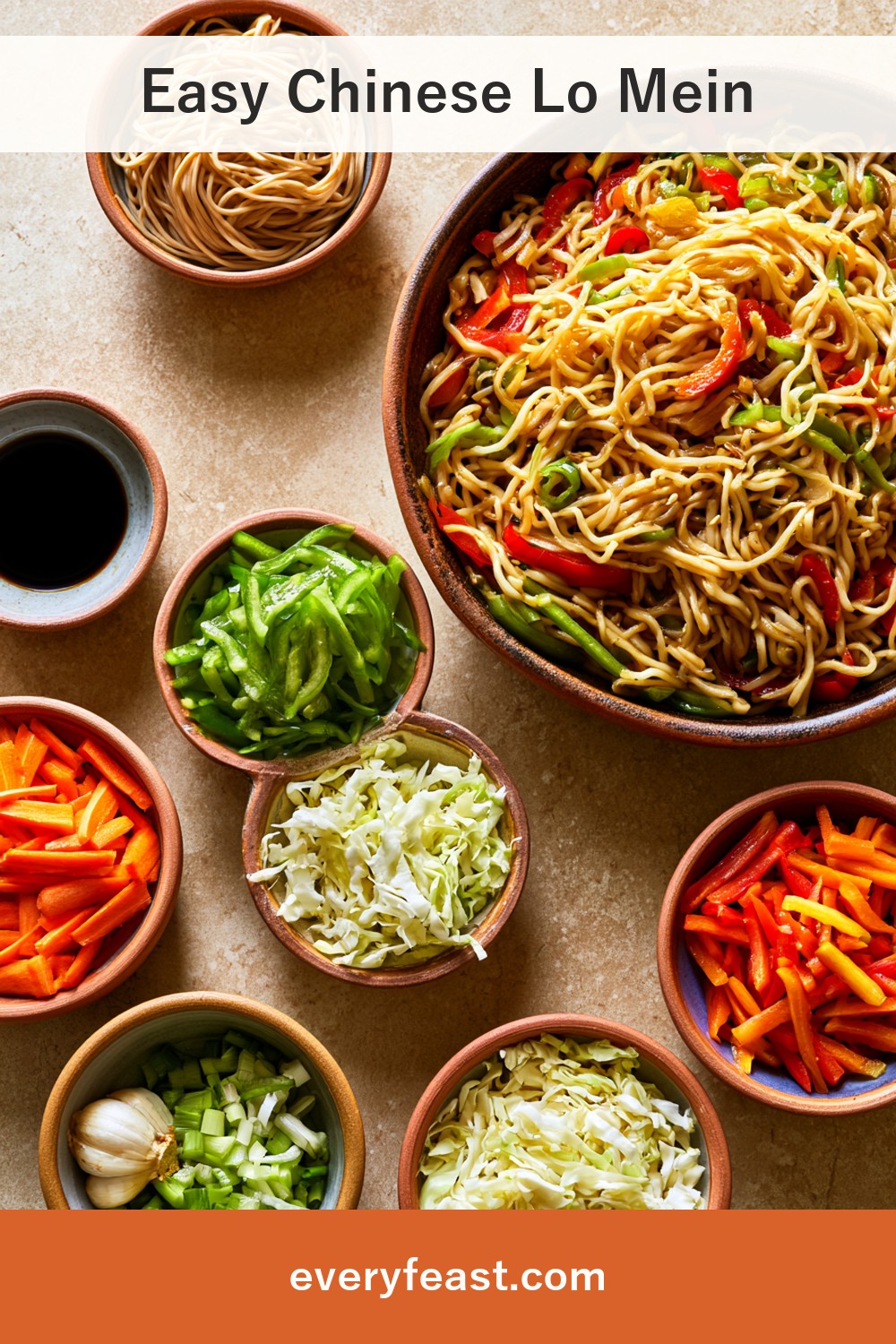
What is lo mein?
Lo mein, or “stirred noodles,” is a Chinese staple featuring soft, chewy wheat noodles combined with stir-fried vegetables and a savory soy-sesame sauce. Unlike chow mein (which tends to be crispier), lo mein is soft and served warm, allowing the sauce to coat each strand.
Why you’ll love it
- Ready in under 30 minutes—faster than delivery
- Soft, chewy noodles coated in a fragrant, savory sauce
- Loaded with colorful vegetables and easy to customize with protein (chicken, shrimp, tofu)
Ingredients (serves 4)
| Ingredient | Amount | Where to find it / Substitutes |
|---|---|---|
| Lo mein noodles (or spaghetti) | 350 g (12 oz) | Asian grocery stores or online; spaghetti works in a pinch |
| Broccoli florets | 2 cups (200 g / 7 oz) | Fresh from produce; frozen also works |
| Bell pepper (red or yellow), sliced | 1 large (200 g / 7 oz) | Produce section |
| Carrots, julienned | 2 medium (about 150 g / 5.3 oz) | Produce section; use a peeler or julienne tool |
| Soy sauce | 4 tbsp (60 ml) | Asian grocery stores or online |
| Sesame oil | 2 tbsp | Asian grocery stores or online |
| Garlic, minced | 3 cloves | Fresh produce |
| Fresh ginger, grated | 1 tbsp (about 15 g / 0.5 oz) | Fresh produce |
| Neutral oil (vegetable or peanut) | 2 tbsp | Pantry staple |
| Low-sodium vegetable or chicken broth | 120 ml (1/2 cup) | Broth aisle; or water |
| Scallions (green onions), sliced | 2 stalks | Produce section |
| Sesame seeds (optional) | 1 tbsp | Spice aisle or Asian grocery stores |
| Salt and white pepper | To taste | Pantry staple |
Allergens: Wheat (noodles), soy (soy sauce), sesame (sesame oil and seeds).
How to make it
-
Cook the noodles: Bring a large pot of salted water to a boil. Add the lo mein noodles and cook according to package directions until just tender (usually 4–5 minutes for fresh noodles, 8–10 for dried). Drain and set aside; do not rinse.
-
Prep vegetables: Cut the broccoli into small florets, slice the bell pepper into thin strips, and julienne the carrots. Have all ingredients prepped and within reach—stir-frying moves quickly.
-
Heat the wok: Heat the neutral oil in a large wok or skillet over high heat. Once shimmering, add the minced garlic and grated ginger. Stir constantly for 30 seconds until fragrant.
-
Stir-fry vegetables: Add the broccoli, bell pepper, and carrots to the wok. Stir constantly for 4–5 minutes, until the broccoli is tender-crisp and the bell pepper is softened but still has some bite. Pour in the broth and continue cooking for 1 minute.
-
Combine noodles with sauce: In a small bowl, whisk together the soy sauce and sesame oil. Pour this mixture into the wok with the vegetables and toss well. Add the cooked noodles and fold them in gently but thoroughly, ensuring each strand is coated with the sauce. Cook for 1–2 minutes, tossing constantly, until the noodles are heated through and the sauce is glossy.
-
Finish and serve: Remove from heat. Taste and adjust salt and white pepper as needed. Transfer to a serving dish and garnish with sliced scallions and sesame seeds if using. Serve hot.
Tips for success
- Don’t overcook the noodles: Cook them just until tender; overcooked noodles become mushy and won’t hold their texture when tossed.
- Keep vegetables crisp-tender: Add them in stages if they cook at different rates—for example, add broccoli a minute before softer vegetables like bell pepper.
- Wok temperature is key: High heat and constant movement prevent sticking and create a beautiful gloss on the noodles. If you don’t have a wok, a large deep skillet works well.
- Add protein easily: Stir-fry diced cooked chicken (about 250 g / 9 oz), small shrimp (about 250 g / 9 oz), or pressed tofu cubes (about 200 g / 7 oz) with the garlic in step 3, then proceed.
- Sesame oil is essential: It adds an authentic, aromatic touch. Don’t skip it or substitute with regular oil.
Variations / Storage
- With chicken or shrimp: Add diced cooked chicken or raw shrimp (cooked until pink) in step 3 alongside the garlic.
- Spicy version: Add 1/4 to 1/2 tsp of red pepper flakes or a drizzle of chili oil at the end.
- Extra vegetables: Swap or add mushrooms, snap peas, bok choy, or corn to your preference.
- Vegetarian: Load it with extra vegetables or add cashews and tofu for texture.
- Storage: Store in a clean airtight container in the refrigerator and enjoy it soon — storage life varies with conditions.
FAQ
Q. Can I use spaghetti instead of lo mein noodles?
A. Yes, spaghetti is a reasonable substitute if you can’t find lo mein noodles. The texture will be slightly different, but the dish will still taste delicious.
Q. How do I make this with a wok vs. a regular skillet?
A. A wok’s curved sides and high heat are ideal for stir-frying, but a large deep skillet works equally well. Just make sure there’s enough room to toss the ingredients without crowding.
Q. Can I prep this ahead?
A. You can slice and chop all the vegetables a few hours in advance and refrigerate them. Cook the noodles fresh just before serving. The finished dish is best eaten immediately but keeps in the refrigerator for a day.