cook
cook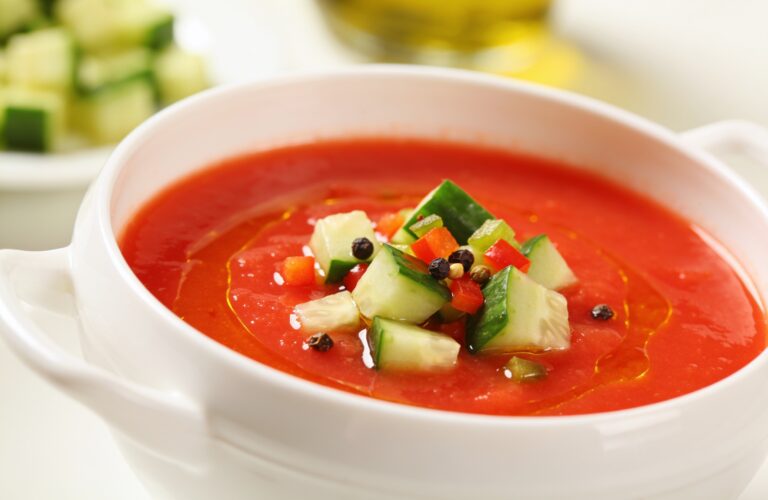
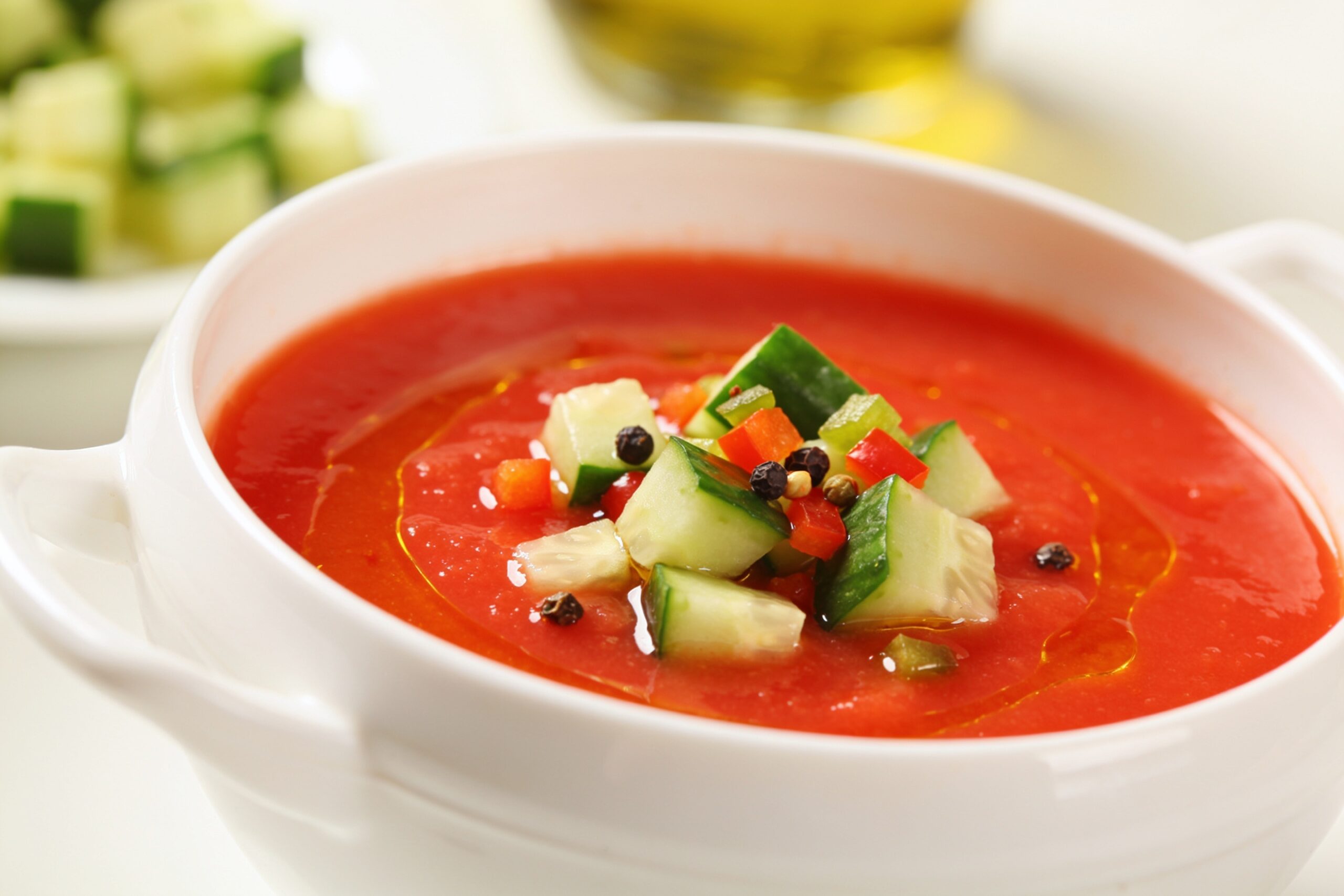
Gazpacho is Spanish summer magic in a bowl—a refreshing, vibrant chilled soup made from ripe tomatoes, crisp vegetables, and a whisper of garlic and vinegar. It’s not cooked; instead, fresh ingredients are blended into a silky, deeply flavorful soup that’s best served ice-cold. On a hot day, a bowl of gazpacho is more reviving than any beverage, and it comes together in minutes without turning on the stove.
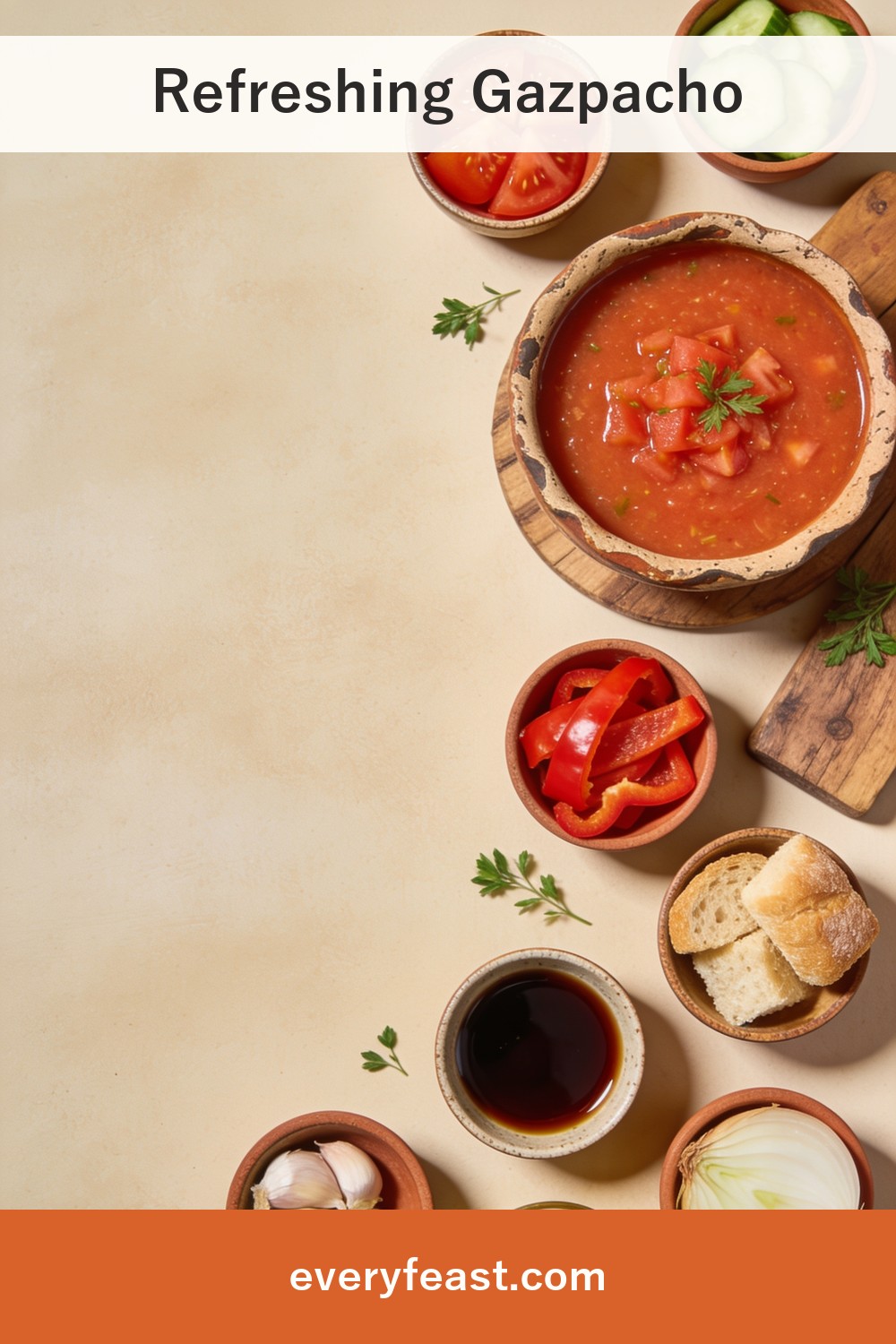
What is gazpacho?
Gazpacho is a traditional Spanish chilled soup, particularly popular in Andalusia. Made with fresh raw tomatoes, cucumbers, bell peppers, and a base of bread, garlic, vinegar, and olive oil, it’s blended until smooth and velvety, then chilled until serving. The result is a soup that’s at once rich and refreshing, savory and slightly tangy, perfect for hot weather meals. It’s often served with a selection of toppings—diced vegetables, croutons, or a drizzle of olive oil—that each diner can customize.
Why you’ll love it
- No cooking required—perfect for keeping the kitchen cool on hot days
- Deeply flavored and surprisingly satisfying despite being light and refreshing
- Naturally gluten-free (if using gluten-free bread) and easily adapted for dietary preferences
Ingredients (serves 4)
| Ingredient | Amount | Where to find it / Substitutes |
|---|---|---|
| Ripe tomatoes, roughly chopped | 1 kg (2.2 lb, about 6–8 medium) | Farmers market or produce section; choose fragrant, in-season tomatoes for best flavor. Substitute: high-quality canned crushed tomatoes (400 g) if fresh tomatoes unavailable, though fresh is strongly preferred |
| Cucumber, roughly chopped | 1 large (about 300 g) | Produce section; English cucumbers or regular garden cucumbers both work |
| Red or yellow bell pepper, roughly chopped | 1 large (about 150 g) | Produce section; avoid green peppers (they’re less sweet) |
| Red onion, roughly chopped | 0.5 medium (about 50 g) | Produce section |
| Garlic cloves, minced | 2–3 cloves | Fresh produce; adjust to taste (more for bold, less for mellow) |
| Crusty bread, torn into pieces | 50 g (about 2 oz, or 1 small slice) | Bakery section; stale bread works well. Substitute: gluten-free bread if needed |
| Red wine vinegar or sherry vinegar | 30 ml (2 tbsp) | Vinegar aisle; high-quality vinegar makes a difference |
| Extra virgin olive oil | 60 ml (4 tbsp) | Pantry staples; use good quality for best flavor |
| Salt and black pepper | To taste | Pantry staples |
| Ice water or vegetable stock | 120–240 ml (0.5–1 cup) | Tap water or homemade broth; adjust consistency to your preference |
| For serving: Diced tomato, diced cucumber, diced red pepper, toasted croutons, fresh basil, crispy bacon bits (optional) | As desired | Produce and pantry sections |
Allergens: Wheat (bread). Gazpacho is served raw and chilled. Use only very fresh, high-quality produce. Wash all vegetables thoroughly before use. Store the finished gazpacho in a clean airtight container in the refrigerator and consume within 3 days. Do not leave at room temperature for more than 1 hour before serving.
How to make it
-
Prepare the vegetables: Roughly chop the tomatoes, cucumber, bell pepper, red onion, and tear the crusty bread into small pieces. Place all the vegetables and bread in a large blender or food processor, working in batches if necessary.
-
Blend: Add the minced garlic, red wine vinegar, and 45 ml (3 tbsp) of the extra virgin olive oil to the blender along with the vegetables. Blend on high speed for 60–90 seconds until the mixture reaches a smooth, velvety consistency. The soup should be mostly smooth but can retain a slight texture—it’s not a thin liquid, but rather a substantial purée.
-
Adjust consistency: If the gazpacho is too thick, add ice water or vegetable stock a little at a time (60–120 ml / 0.25–0.5 cup) while blending until you reach your desired consistency. The soup should be pourable but not watery. Season generously with salt and black pepper, tasting as you go.
-
Chill: Transfer the gazpacho to a large bowl or pitcher. Cover and refrigerate for at least 2 hours, or up to overnight. Chilling melds the flavors and ensures the soup is refreshingly cold when served.
-
Finish and serve: Just before serving, drizzle the remaining 15 ml (1 tbsp) of extra virgin olive oil over the surface. Taste and adjust seasoning if needed. Ladle into chilled bowls and offer a selection of toppings: diced tomato, diced cucumber, diced red pepper, toasted croutons, fresh basil, or crispy bacon bits. Each diner can customize their bowl to taste. Serve ice-cold.
Tips for success
- Use ripe, fragrant tomatoes: This is the most important ingredient. Pale, flavorless tomatoes will produce pale, flavorless gazpacho. Visit a farmers market in summer for the best tomatoes, or use a mix of cherry and heirloom varieties.
- Don’t skip the bread: Bread is not a filler—it adds body, creaminess, and helps emulsify the oil and vinegar into the vegetables.
- Let it chill overnight if possible: Gazpacho actually improves after a day or two as flavors meld. Plan ahead if you can.
- Taste and adjust: Gazpacho flavors can vary wildly depending on the tomatoes and other vegetables used. Always taste and adjust salt, vinegar, and oil before serving.
- Serve in chilled bowls: Pre-chill your serving bowls in the refrigerator for 15 minutes before serving to keep the soup as cold as possible.
Variations / Storage
- White gazpacho (Ajo blanco): Substitute blanched almonds or pine nuts for some of the bread, add more garlic, and use white wine vinegar. Serve topped with grapes or melon for sweetness.
- Tomato-free version: Use roasted red peppers, cucumber, and bread as the base for a sweeter, milder soup.
- Spicy gazpacho: Add 0.5–1 tsp of hot paprika or fresh diced red chili pepper during blending.
- Gazpacho popsicles: Pour gazpacho into popsicle molds and freeze for 4–6 hours—a fun, savory frozen treat on very hot days.
- Storage: Gazpacho keeps well in a clean airtight container in the refrigerator for up to 3 days — storage life varies with conditions. The soup does not freeze well, as the fresh, bright flavors fade. Shake or stir before serving to recombine if separation occurs.
FAQ
Q. Can I make gazpacho with canned tomatoes?
A. Yes, if fresh tomatoes are unavailable. Use one 400 g (14 oz) can of high-quality crushed tomatoes and 600 g (1.3 lb) of fresh cucumber and peppers to maintain freshness. The result will be good but not quite as vibrant as with fresh tomatoes.
Q. Is gazpacho supposed to be chunky or completely smooth?
A. Traditionally, gazpacho has a smooth, velvety texture, though some Spanish regions prefer it slightly thicker with a bit more texture. Blend to your preference—60–90 seconds produces a smooth soup; shorter blending leaves more texture.
Q. How cold should gazpacho be when served?
A. As cold as possible—ideally 4℃ (40℉) or colder. Serve in pre-chilled bowls and add a few ice cubes to individual servings if desired.
Q. Can I make gazpacho in a regular blender instead of a food processor?
A. Absolutely. A regular blender often produces an even smoother result than a food processor.
Q. What’s the difference between gazpacho and salmorejo?
A. Salmorejo is a thicker, more bread-forward version of gazpacho, topped with jamón and a fried egg. Gazpacho is thinner and more soup-like. Both are Spanish and delicious.