cook
cook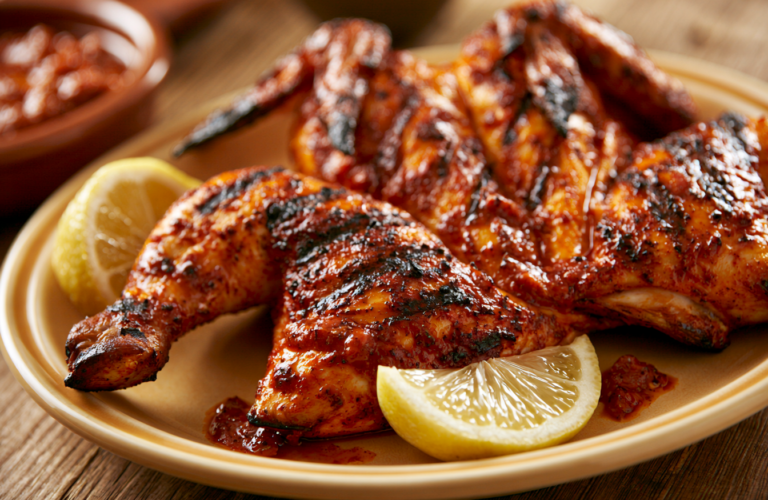
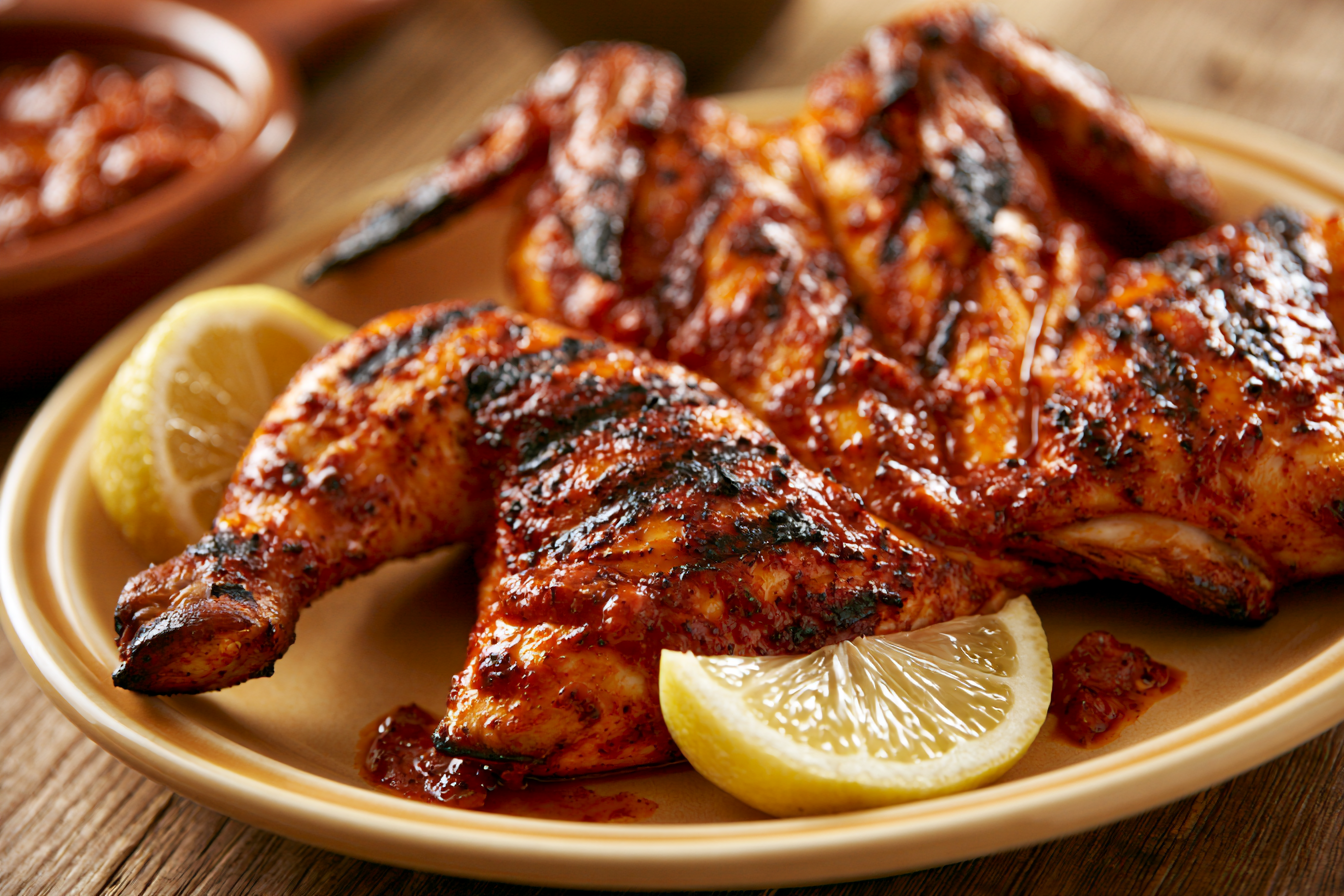
Piri piri chicken is an African-Portuguese masterpiece—tender chicken marinated and basted in a fiery sauce made from hot piri piri chilies, garlic, lemon, and oil. The meat is charred over flame until the edges blacken and caramelize, while the inside stays juicy and infused with chili heat. It’s bold, smoky, and unforgettably spicy.

What is piri piri chicken?
Piri piri chicken originates from Mozambique and other African regions with Portuguese colonial influence. Piri piri (or peri peri) refers to small, intensely hot African bird’s eye chilies. The chicken is marinated in a spicy, garlicky chili sauce, then grilled over charcoal or flame until charred and caramelized. The result is smoky, tender, and explosively flavorful—a dish that’s become iconic across Southern Africa and Portugal.
Why you’ll love it
- Fiery, complex heat balanced with bright citrus and garlic—a flavor profile that builds with every bite
- Charred, caramelized exterior with juicy, tender meat inside
- Marinate ahead for convenience; grill just before serving for maximum flavor and texture
Ingredients (serves 4)
| Ingredient | Amount | Where to find it / Substitutes |
|---|---|---|
| Bone-in, skin-on chicken thighs and drumsticks | 1.2 kg (2.6 lb) | Meat counter; or use chicken breasts, which cook faster (reduce time by 5–10 min) |
| Fresh piri piri chilies (red bird’s eye chilies) | 6–8 chilies | Asian or African grocery; or 2–3 tsp dried chili flakes (adjust to taste) |
| Garlic cloves, minced | 6 cloves | Fresh produce; or 2 tsp garlic paste |
| Fresh lemon or lime juice | 60 ml (1/4 cup) | Citrus section; bottled juice works in a pinch |
| Extra virgin olive oil | 120 ml (1/2 cup) | Condiment aisle |
| Paprika (smoked or sweet) | 1 tsp | Spice aisle |
| Dried oregano | 1 tsp | Spice aisle; or 1 tbsp fresh oregano, chopped |
| Salt | 1 tsp | To taste |
| Black pepper | 0.5 tsp | To taste |
| Bay leaves | 2 leaves | Spice aisle or dried herb section |
Allergens: None in the base recipe. Chicken must be fully cooked through; internal temperature should reach 74℃ (165℉) at the thickest part near the bone. Caution: Fresh piri piri chilies are extremely hot. Wear disposable gloves when handling and cutting them. Avoid touching your face, eyes, or nose until you have washed your hands thoroughly.
How to make it
-
Prepare the piri piri sauce: Wearing disposable gloves, stem and deseed the fresh piri piri chilies (remove most or all seeds to reduce heat, or leave them in for maximum fire). Roughly chop the chilies and place in a blender or food processor with the minced garlic, lemon juice, olive oil, paprika, oregano, salt, and black pepper. Blend until smooth. Taste and adjust seasonings—add more chili for heat, more lemon for brightness, more salt as needed.
-
Marinate the chicken: Pat the chicken pieces dry with paper towels. Place them in a large bowl or resealable plastic bag. Pour the piri piri sauce over the chicken, ensuring all pieces are well coated. Rub the sauce into the skin and under any flaps. If using a bowl, cover tightly with plastic wrap. Marinate in the refrigerator for at least 2 hours, or up to 24 hours (longer marinating = deeper flavor).
-
Bring to room temperature: About 30 minutes before grilling, remove the chicken from the refrigerator and let it sit on the counter to bring to room temperature. This ensures even cooking.
-
Grill the chicken: Preheat a grill or grill pan to medium-high heat (about 190℃ / 375℉). Place the chicken skin-side down on the grill grates. Cook for 6–8 minutes until the skin is charred and crispy, then flip. Cook the other side for 6–8 minutes. Continue turning every 5 minutes, basting with any remaining sauce, until the internal temperature reaches 74℃ (165℉) when measured at the thickest part near the bone (usually 20–25 minutes total, depending on piece size). The skin should be deeply charred and the edges caramelized.
-
Rest and serve: Transfer the chicken to a clean plate and let it rest for 5 minutes before serving. Serve hot with the pan drippings spooned over, along with lime wedges, fresh cilantro, and rice or bread.
Tips for success
- Use bone-in, skin-on chicken: Dark meat (thighs and drumsticks) stays juicier than white meat when grilled. The skin crisps up beautifully and protects the meat underneath.
- Wear gloves when handling chilies: Piri piri chilies are extremely hot. Gloves protect your skin, and washing your hands thoroughly afterward is essential.
- Don’t skip the marinating time: Two hours is the minimum; overnight is better. The acid in the lemon and the oil allow the flavors to penetrate the chicken.
- Medium-high heat prevents burning: Too high, and the exterior burns before the inside cooks. Medium-high allows the skin to char while the meat cooks through gently.
- Use a meat thermometer: A reliable way to ensure doneness without overcooking. Insert into the thickest part near the bone without touching bone.
Variations / Storage
- Broiler method: If grilling outdoors isn’t possible, preheat the oven broiler to high. Place marinated chicken on a lined baking sheet and broil 10 cm (4 inches) from the heating element for 12–15 minutes per side, turning halfway through and basting with sauce.
- Oven-roasted: For a less charred but still flavorful result, marinate, then roast in a 200℃ (400℉) oven for 35–45 minutes, turning and basting halfway through.
- Mild version: Reduce the number of piri piri chilies to 2–3, or replace them with 1 tsp smoked paprika and 0.5 tsp regular chili powder for a gentler heat.
- Extra vegetables: Add thick-cut bell peppers, zucchini, or thick onion slices to the grill alongside the chicken. Marinate them in the same sauce.
- Storage: Store cooked piri piri chicken in an airtight container in the refrigerator for up to 4 days. Reheat gently in a 160℃ (320℉) oven for 10–15 minutes to prevent drying out — storage life varies with conditions. The sauce will keep refrigerated for up to one week.
FAQ
Q. How hot is piri piri chicken really?
A. Piri piri chilies are intensely hot (50,000–175,000 Scoville units). The heat level depends on how many chilies and seeds you include. Start with fewer chilies and build up to your tolerance.
Q. Can I use dried chili flakes instead of fresh piri piri chilies?
A. Yes. Use 2–3 tsp dried chili flakes in place of fresh chilies. The flavor will be slightly different (less fresh), but the heat and intensity are comparable.
Q. Is piri piri sauce always spicy?
A. Traditionally, yes. But you can make a milder version by reducing the amount of chili and balancing with more lemon and oil. Some recipes add a touch of honey to soften the heat.
Q. Can I make the sauce ahead and freeze it?
A. Absolutely. The piri piri sauce freezes beautifully in an ice-cube tray for up to 3 months. Thaw in the refrigerator before using, or add frozen cubes directly to marinating chicken.
Q. What’s the best way to serve piri piri chicken?
A. Serve with white rice, flatbread, or roasted potatoes to soak up the sauce. A fresh slaw or cucumber salad provides cooling contrast to the heat.