cook
cook
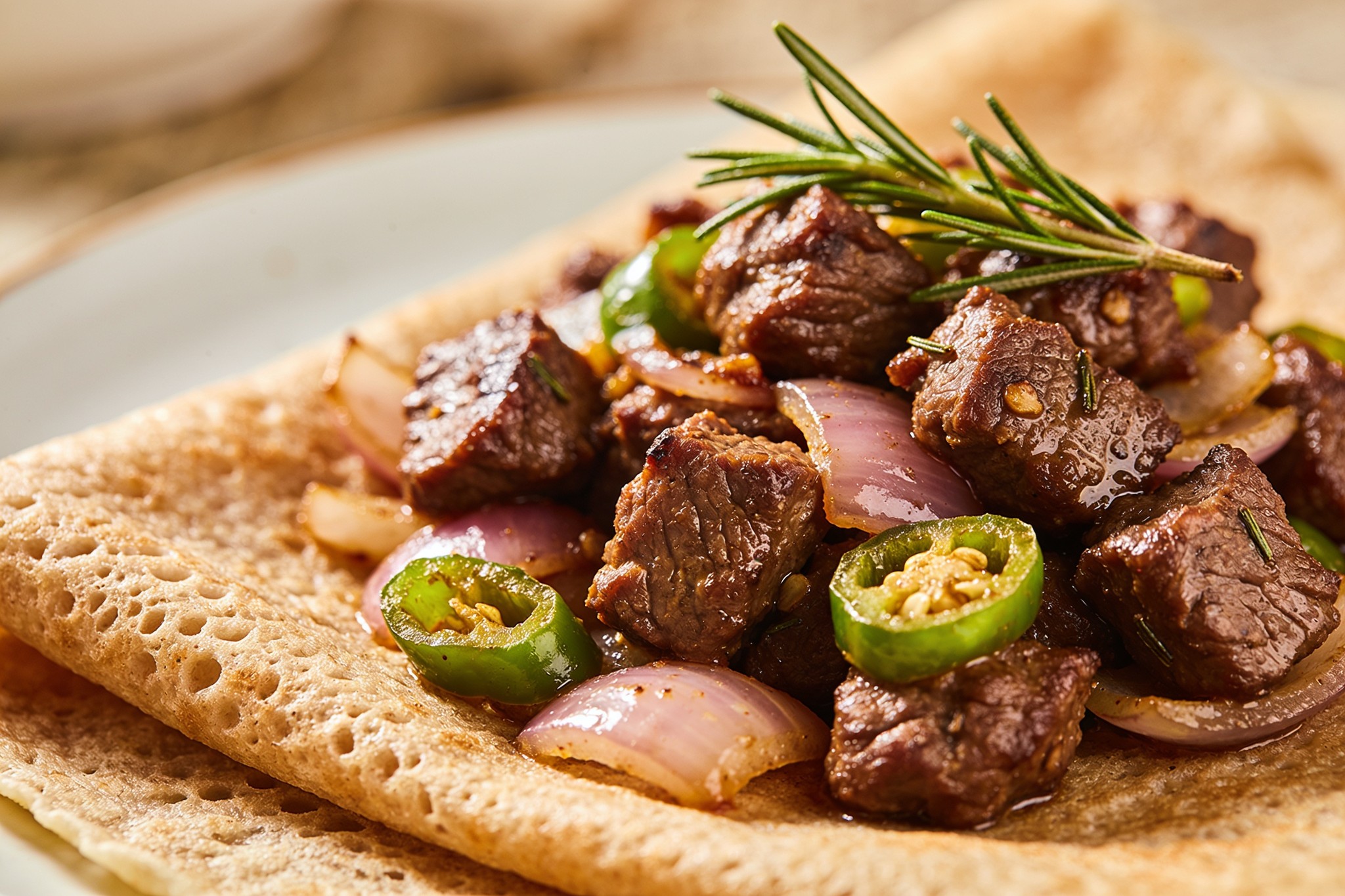
Tibs is an Ethiopian masterpiece: tender sautéed beef cooked with colorful bell peppers, onions, and tomatoes in a fragrant blend of spices. This one-skillet dish is comfort food at its finest—warming, aromatic, and packed with flavor. It’s often served on a communal platter with injera (spongy flatbread) for scooping, but works beautifully over rice too.
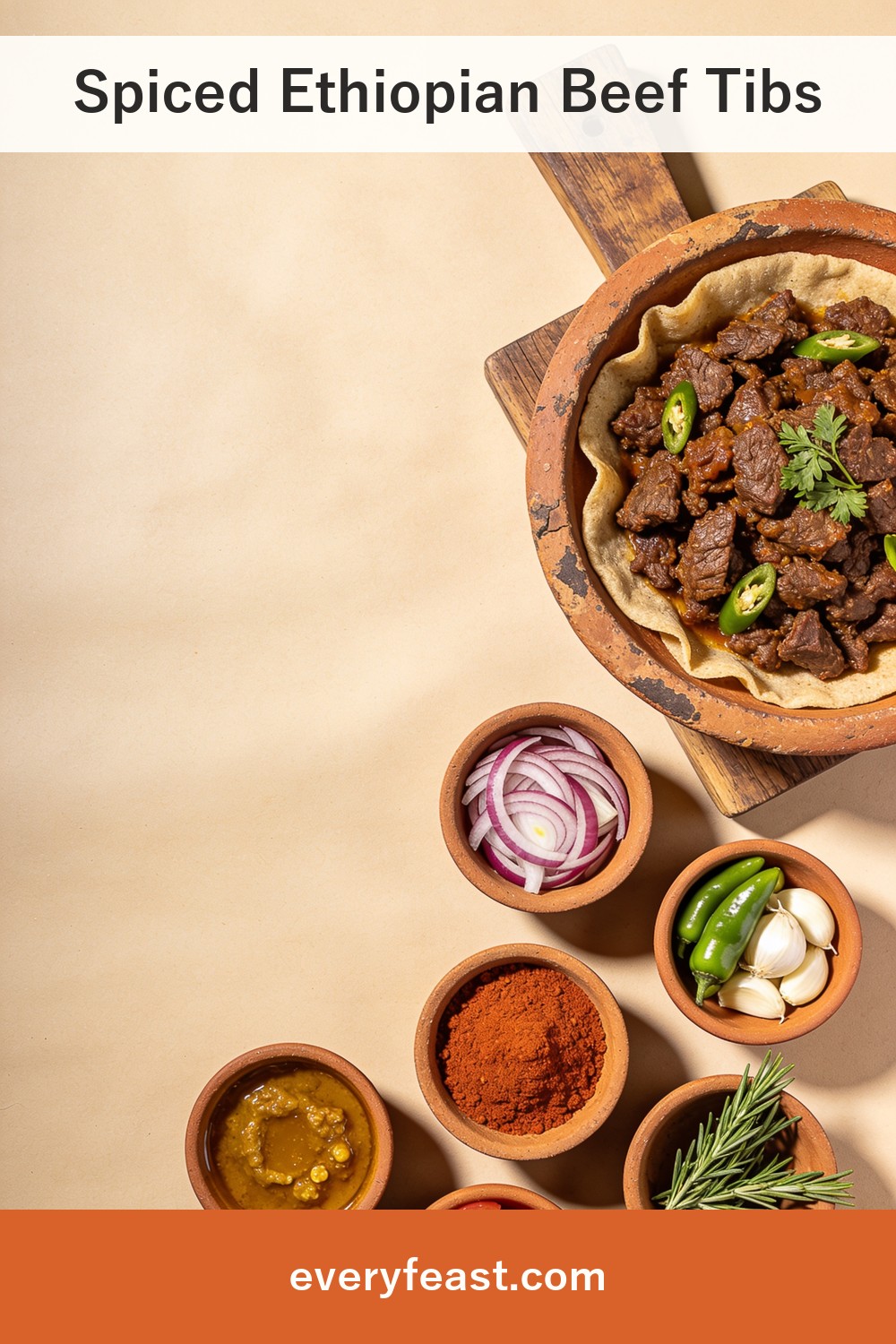
What is tibs?
Tibs is a traditional Ethiopian preparation in which diced or sliced beef is sautéed quickly over high heat with vegetables and spices, then served family-style. The cooking method emphasizes the natural flavors of the meat and preserves a slight chew; it’s lighter than long-braised stews but more substantial than a quick stir-fry. Tibs can also feature lamb, goat, or chicken, but beef tibs is the classic version.
Why you’ll love it
- Aromatic Ethiopian spices (berbere, garlic, ginger) create deep, warm, complex flavor
- Quick, high-heat cooking keeps the beef tender and the vegetables crisp-tender
- Naturally gluten-free and adaptable to dietary needs; pairs beautifully with rice or injera
Ingredients (serves 4)
| Ingredient | Amount | Where to find it / Substitutes |
|---|---|---|
| Beef sirloin or tenderloin, cut into 2 cm (0.75 inch) cubes | 600 g (1.3 lb) | Butcher or meat counter; lean cuts work best |
| Red bell pepper, diced | 1 large | Produce section; use yellow or green if preferred |
| Yellow onion, diced | 1 large | Produce section |
| Tomato, diced (fresh or canned) | 200 g (0.75 cup) | Fresh produce or canned tomatoes; drained if canned |
| Garlic, minced | 4 cloves | Fresh produce; or 2 tsp garlic paste |
| Fresh ginger, grated | 1 tbsp | Produce section; or 1 tsp ground ginger |
| Berbere spice blend | 2 tsp | International aisle or online; substitute 1 tsp chili powder + 0.5 tsp paprika + pinch cayenne |
| Clarified butter (ghee) or oil | 3 tbsp | Dairy aisle or cooking oil section |
| Salt and black pepper | To taste | Pantry staples |
| Fresh cilantro, chopped (optional) | 2 tbsp | Fresh herbs or frozen |
Allergens: None common, unless serving with wheat-based bread. Beef must be fully cooked through, no longer pink in the center.
How to make it
-
Prepare the meat: Pat the beef cubes dry with paper towels. Season lightly with salt and pepper. Heat a large cast-iron skillet or heavy-bottomed pan over medium-high heat and add the ghee or oil until shimmering.
-
Brown the beef: Working in batches to avoid crowding the pan, add the beef cubes and cook for 3–4 minutes per side without stirring constantly, allowing a light crust to form. Once each batch is browned on all sides and cooked through (internal temperature 65℃ / 150℉), transfer to a plate.
-
Sauté the aromatics: Reduce the heat to medium. Add the diced onion to the same skillet and cook for 4–5 minutes, stirring occasionally, until softened and lightly browned. Add the minced garlic and grated ginger, stirring constantly for 1 minute until fragrant.
-
Add the spices: Sprinkle the berbere spice blend over the onion mixture and stir well, cooking for 30 seconds to bloom the spices. This step releases the deep, warming flavors essential to tibs.
-
Combine and finish: Return the beef to the skillet along with the diced bell pepper and diced tomato. Stir gently and cook over medium-high heat for 5–7 minutes, until the peppers are tender but still slightly firm, and the beef is heated through. Taste and adjust seasoning with salt and pepper as needed. Scatter fresh cilantro on top if desired.
-
Serve: Transfer to a warm platter and serve immediately with injera, flatbread, or steamed rice.
Tips for success
- Don’t skip the browning step: Searing the beef in batches creates a flavorful crust that adds depth to the dish.
- Keep the heat high: Tibs depends on quick, hot cooking to preserve the meat’s tenderness and the vegetables’ texture.
- Use true berbere if possible: It’s a blend of chili peppers, fenugreek, coriander, cardamom, and more—its complexity can’t be fully replicated. Order online or check international aisles.
- Slice thinly for guests: Cutting the beef smaller makes it easier to eat with injera.
- Serve family-style: Tibs is traditionally shared from a communal platter, making it perfect for gatherings.
Variations / Storage
- Lamb tibs: Substitute lamb shoulder or leg for a richer, slightly gamey flavor; cook until 65℃ (150℉) internal temperature.
- Vegetarian tibs: Omit the beef and add extra eggplant, zucchini, carrots, and mushrooms; cook until tender.
- Spicier tibs: Increase the berbere to 1 tbsp or add a pinch of cayenne pepper for extra heat.
- Kibbeh-style tibs: Add a touch of Ethiopian mustard or chili oil drizzled on top for brightness.
- Storage: Refrigerate leftovers in a clean airtight container and enjoy within 2–3 days — storage life varies with conditions. Reheat gently in a skillet over medium heat, adding a splash of water if needed to restore moisture.
FAQ
Q. Can I use a different cut of beef?
A. Yes—chuck, flank, or stew meat all work, though they may require slightly longer cooking (up to 8 minutes in step 5). Avoid very tough cuts that need hours of braising.
Q. What if I can’t find berbere spice?
A. Make a substitute: combine 1 tsp chili powder, 0.5 tsp paprika, 0.25 tsp cayenne, 0.25 tsp ground cumin, and a pinch each of fenugreek and cardamom powder.
Q. Is tibs served hot or warm?
A. Tibs is best served hot, straight from the skillet. It loses some aromatic quality as it cools.
Q. Can I add more vegetables?
A. Absolutely—mushrooms, zucchini, carrots, and green beans all pair beautifully. Adjust cooking time so they finish tender-crisp.
Q. How do I serve it with injera?
A. Tear off pieces of injera and use them to scoop the tibs directly from the communal platter, wrapping the meat and vegetables inside.