cook
cook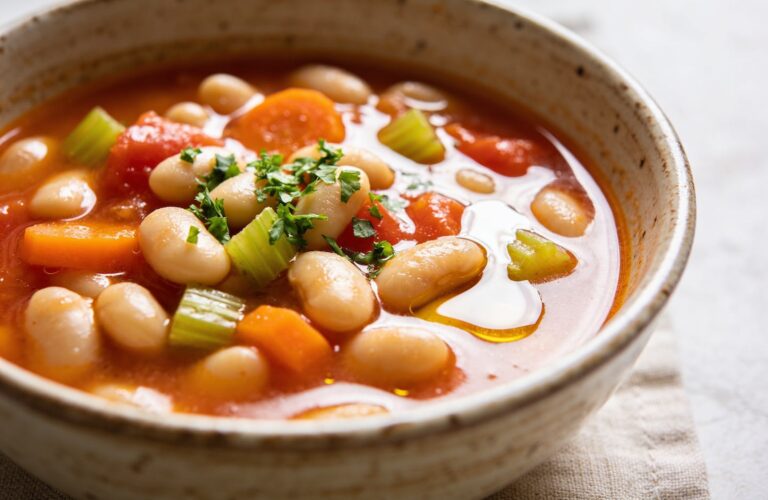
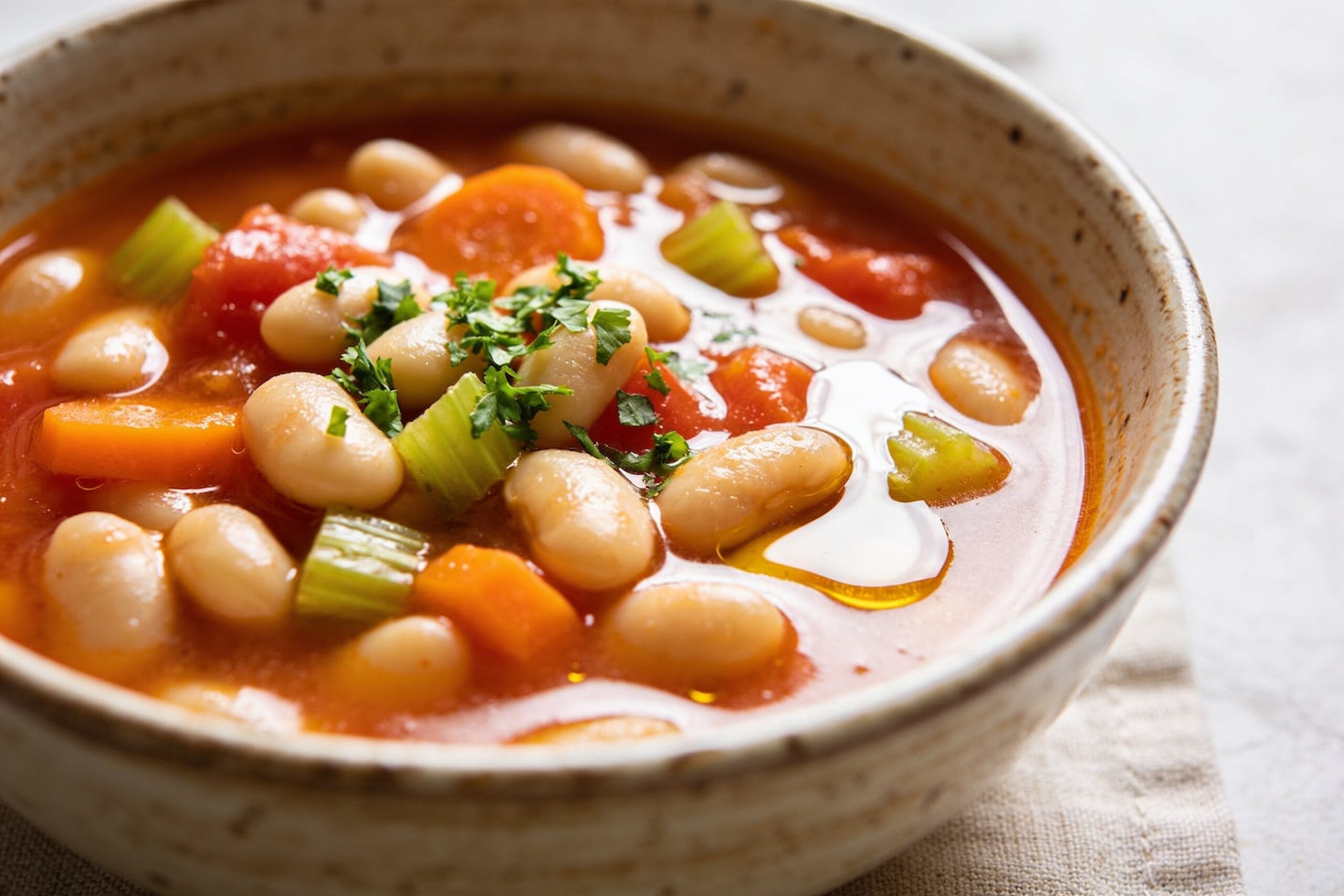
Fasolada is the soul of Greek peasant cooking—a simple, nourishing white bean soup that’s been sustaining Greek families for centuries. Dried white beans (or canned for convenience) simmer gently with tomatoes, onions, carrots, celery, and a generous glug of olive oil until they collapse into a creamy, savory broth. It’s naturally vegetarian, deeply affordable, and so satisfying you’ll forget it’s made from humble ingredients. Serve it hot with a slice of crusty bread and a drizzle of olive oil.
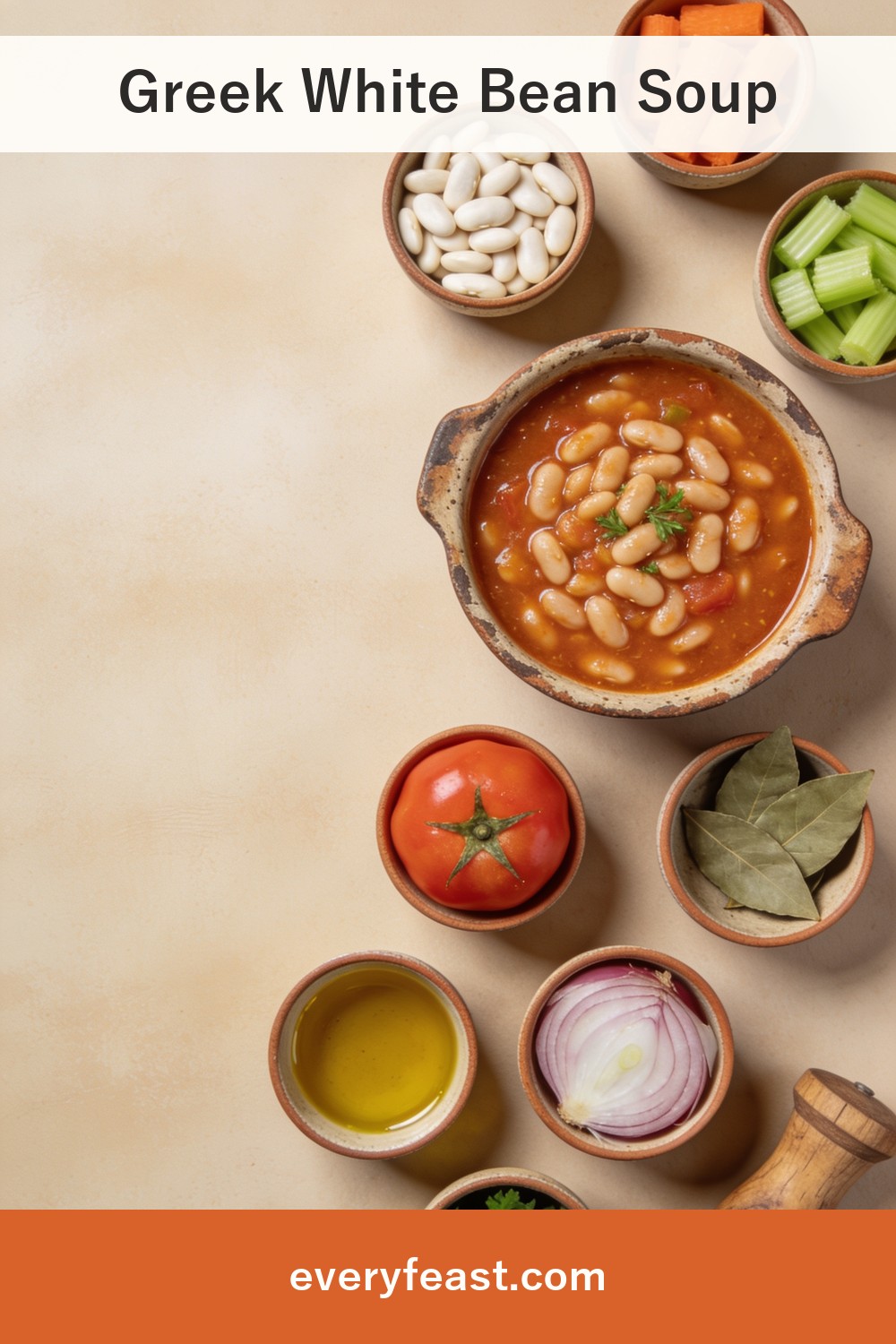
What is fasolada?
Fasolada is Greece’s iconic white bean soup, so revered that it’s often called “the national dish.” The recipe varies slightly from cook to cook and region to region, but the formula remains constant: white beans (traditionally navy beans or haricot beans), aromatics like onion, carrot, and celery, tomato, and plenty of olive oil. The beans are cooked low and slow until they’re tender enough to almost dissolve, thickening the broth into something almost creamy without any cream. Garlic, bay leaf, and oregano add subtle depth. It’s a dish born of necessity and perfected through generations of cooking.
Why you’ll love it
- Inexpensive to prepare; made from pantry staples, dried beans cost mere cents per serving
- Incredibly nutritious; beans provide plant-based protein, fiber, and minerals while remaining low in fat
- Naturally vegetarian and vegan (if using vegetable broth); one pot, minimal prep, deeply satisfying
Ingredients (serves 6)
| Ingredient | Amount | Where to find it / Substitutes |
|---|---|---|
| Dried white beans (haricot, navy, or cannellini) | 300 g (1.5 cups) | Dried bean aisle; or use canned white beans (two 400 g cans, drained and rinsed) |
| Yellow onion, diced | 1 large | Produce section |
| Carrots, peeled and diced | 2 medium | Produce section |
| Celery stalk, diced | 1 stalk (or use 0.5 tsp celery seed) | Produce section |
| Garlic, minced | 2 cloves | Fresh produce; or 0.75 tsp garlic paste |
| Canned crushed tomatoes | 400 g (14 oz can) | Canned vegetable aisle; or use 2 fresh tomatoes, grated |
| Tomato paste | 1 tbsp | Canned goods aisle |
| Extra-virgin olive oil | 4 tbsp | Oil aisle |
| Vegetable or chicken broth (or water) | 1 liter (4.25 cups) | Canned or carton in broth aisle; or use filtered water |
| Dried bay leaves | 2 | Spice aisle |
| Dried oregano | 1 tsp | Spice aisle |
| Salt and black pepper | To taste | Pantry staples |
| Red wine vinegar or lemon juice (optional, for serving) | 1–2 tbsp | Oil aisle or produce section |
Allergens: This dish is naturally gluten-free and vegan (if using vegetable broth). Contains legumes (beans). Beans should be fully cooked and tender, no hard centers.
How to make it
-
Prepare the beans (if using dried): If using dried beans, rinse them under cold water and pick through to remove any small stones or debris. Place them in a large pot, cover with cold water by about 5 cm (2 inches), and bring to a boil. Boil for 2 minutes, then remove from heat, cover, and let soak for 1 hour (or overnight in the refrigerator for a gentler soak). Drain and rinse well before proceeding. If using canned beans, skip this step.
-
Sauté the aromatics: Heat the olive oil in a large, heavy-bottomed pot over medium heat. Add the diced onion, carrot, and celery. Cook, stirring occasionally, for 5–7 minutes, until softened and fragrant. Add the minced garlic and cook for another 1 minute.
-
Add tomatoes and paste: Stir in the tomato paste and cook for 1–2 minutes, allowing it to caramelize slightly and deepen in color. Pour in the crushed tomatoes, stirring to combine.
-
Add beans and broth: Add the prepared beans (whether soaked dried or canned), along with the broth or water. Stir in the bay leaves and dried oregano. Bring the mixture to a gentle simmer over medium-high heat.
-
Simmer gently: Reduce the heat to low and simmer, partially covered, for 60–90 minutes if using dried beans (they should be very tender and almost falling apart), or 20–30 minutes if using canned beans. Stir occasionally to ensure even cooking. The soup will thicken as the beans break down and release their starches.
-
Season and finish: Taste the soup and adjust the salt and pepper as needed. If it’s too thick, add a splash of water or broth. If too thin, increase the heat and simmer uncovered for a few minutes to reduce. Just before serving, drizzle with a bit more olive oil and a squeeze of lemon juice or dash of red wine vinegar if desired.
-
Serve: Ladle the hot fasolada into bowls, finish with a generous drizzle of olive oil, and serve with thick slices of crusty bread for dipping.
Tips for success
- Don’t skip the soak: Soaking dried beans reduces cooking time and digestive discomfort. Even a quick 1-hour soak (after boiling) makes a difference.
- Use good olive oil: This soup relies on the flavor of olive oil. Use a quality extra-virgin oil for the best taste.
- Go low and slow: Gentle simmering keeps the beans from bursting and maintains a creamy broth. High heat will shatter the beans and make the soup grainy.
- Stir occasionally: Beans can stick to the bottom of the pot and burn. Stir every 20 minutes or so, scraping the bottom gently.
- Embrace the thickness: As beans cook, they naturally thicken the broth. This is desirable—the soup should be hearty and almost creamy, not thin and brothy.
Variations / Storage
- Extra-garlicky: Add an additional 2–3 minced garlic cloves near the end of cooking for a more assertive flavor.
- Spiced version: Add a pinch of cumin or a small dried chili pepper for warmth and complexity.
- Herb-forward: Stir in 1–2 tbsp fresh parsley or dill at the end of cooking for brightness.
- With kale or spinach: Wilt 100 g of chopped kale or spinach into the finished soup for added vegetables and nutrition.
- Roasted garlic version: Instead of raw minced garlic, roast 1 whole garlic head, squeeze out the soft garlic, and whisk it into the finished soup.
- Storage: Fasolada tastes even better the next day once flavors have melded. Store in an airtight container in the refrigerator and enjoy it soon, or freeze — storage life varies with conditions. The soup will thicken as it cools; simply add water or broth when reheating to reach desired consistency.
FAQ
Q. Can I use canned beans to save time?
A. Absolutely—use two 400 g cans of white beans, drained and rinsed. Reduce the cooking time in step 5 to just 20–30 minutes (you’re mainly developing flavors rather than cooking the beans).
Q. What kind of white beans should I use?
A. Navy beans, haricot beans, or cannellini beans all work beautifully. They’re all small, mild, and break down into a creamy consistency. Avoid large lima beans, which have a different texture.
Q. Is fasolada vegan?
A. Yes—it’s naturally plant-based. Simply use vegetable broth instead of chicken broth, and it’s fully vegan.
Q. How long does it take if I use dried beans?
A. About 90 minutes total: 1 hour soaking (or boiling and standing), plus about 60–90 minutes of simmering, depending on the age and size of the beans.
Q. Can I make fasolada in a slow cooker?
A. Yes—sauté the aromatics on the stovetop first, then transfer everything to a slow cooker and cook on low for 6–8 hours (if using dried, pre-soaked beans) or 2–3 hours (if using canned beans).