cook
cook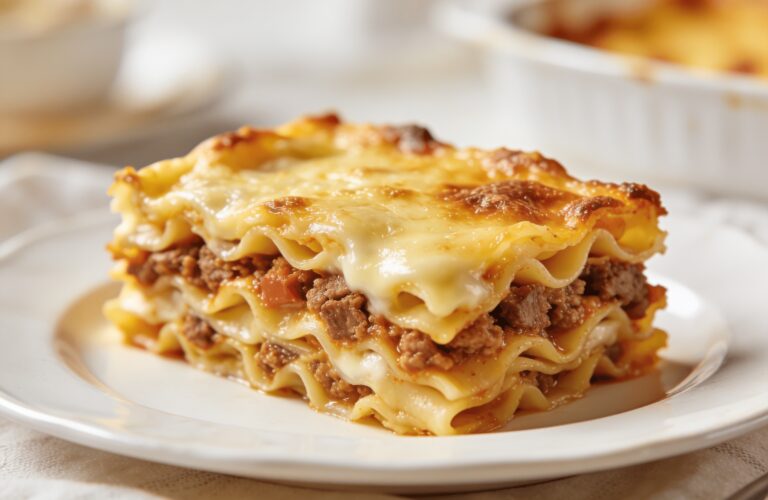
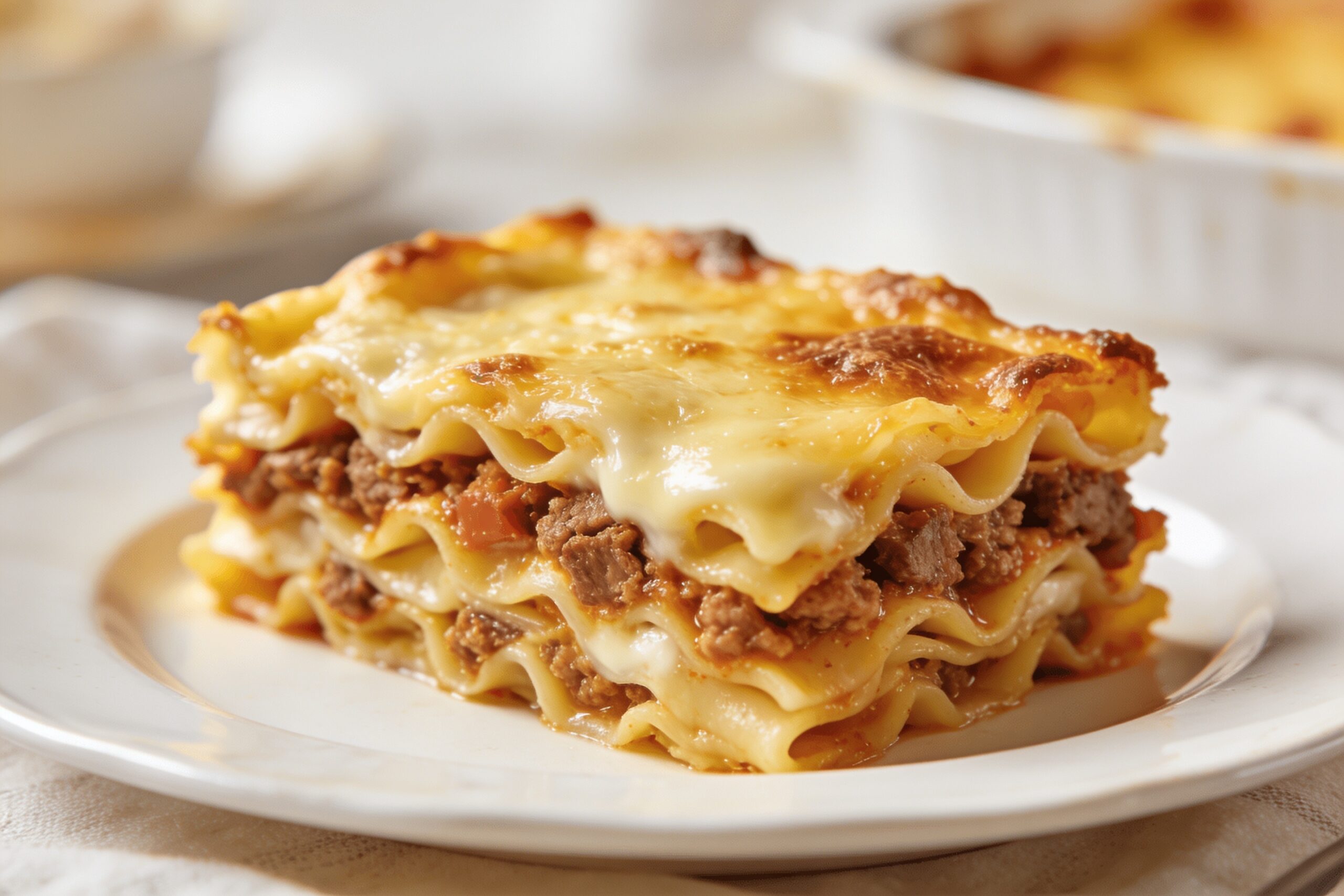
Pastitsio is the Greek answer to lasagna—a glorious, comforting baked pasta casserole layered with spiced meat sauce and a silky béchamel topping. Unlike its Italian cousin, pastitsio uses tubular pasta and aromatic spices like cinnamon and oregano, giving it a distinctly Mediterranean character. It’s perfect for feeding a crowd, impressive enough for a dinner party, and even better when made a day ahead and reheated.
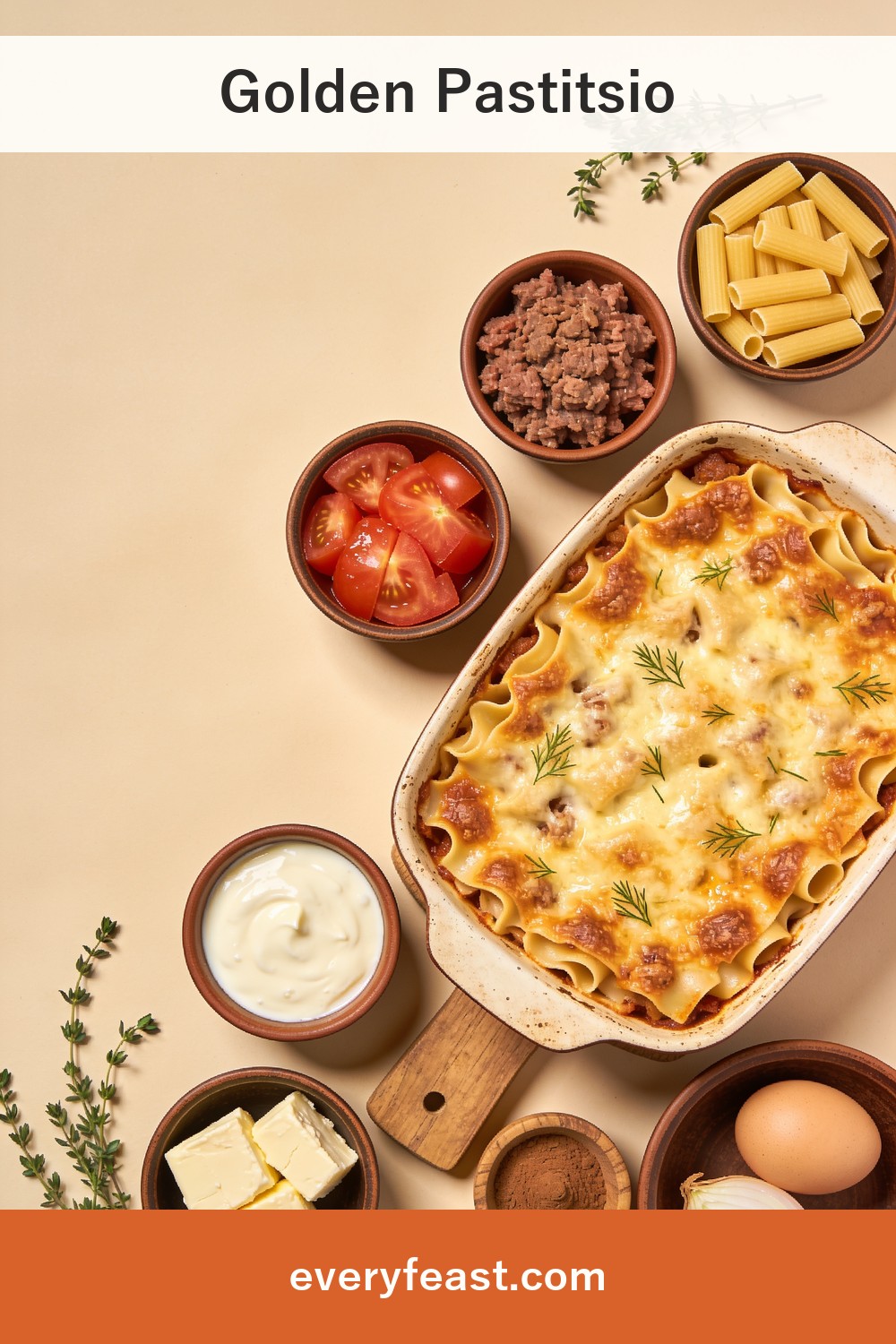
What is pastitsio?
Pastitsio is a traditional Greek family dish—a casserole of layered pasta, meat sauce (usually beef or lamb), béchamel sauce, and often a topping of grated cheese. The meat sauce is seasoned with warm spices like cinnamon, oregano, and nutmeg, which give it a distinctive Greek character. The whole dish is baked until the top is golden and slightly crispy, while the interior remains creamy and deeply flavorful. It’s rustic, satisfying, and a staple of Greek home cooking.
Why you’ll love it
- A showstopping casserole that feeds 6 and requires minimal last-minute effort
- Warm spices (cinnamon, oregano, nutmeg) add depth and complexity not found in Italian pasta dishes
- Make it ahead: assemble the day before and bake when guests arrive for effortless entertaining
Ingredients (serves 6)
| Ingredient | Amount | Where to find it / Substitutes |
|---|---|---|
| Olive oil | 45 ml (3 tbsp) | Pantry staples |
| Yellow onion, finely diced | 1 large (about 200 g) | Produce section |
| Garlic, minced | 4 cloves | Fresh produce |
| Ground beef or lamb | 500 g (1 lb) | Meat counter; beef is more common, lamb is more traditional but both work |
| Canned crushed tomatoes | 400 g (1 can) | Canned vegetable aisle |
| Tomato paste | 30 g (2 tbsp) | Canned vegetable aisle |
| Dried oregano | 1.5 tsp | Spice aisle |
| Ground cinnamon | 0.5 tsp | Spice aisle; essential for authentic flavor |
| Ground nutmeg | Pinch (about 1/8 tsp) | Spice aisle |
| Dried thyme | 0.5 tsp | Spice aisle; optional |
| Salt and black pepper | To taste | Pantry staples |
| Pastitsio pasta or penne | 400 g (14 oz) | Pasta aisle; any tubular pasta works. Substitute: rigatoni or ziti if pastitsio pasta unavailable |
| Butter | 50 g (3.5 tbsp) | Dairy aisle; divided (for béchamel) |
| All-purpose flour | 40 g (0.33 cup / 5 tbsp) | Pantry staples |
| Whole milk, warmed | 500 ml (2 cups) | Dairy aisle; warm slightly before whisking in |
| White pepper | To taste | Spice aisle; or use black pepper |
| Ground nutmeg (for béchamel) | Pinch | Spice aisle |
| Egg yolk (optional, for enrichment) | 1 large | Dairy aisle; optional but adds richness |
| Kefalotyri or Parmesan cheese, grated | 100 g (1 cup) | Dairy aisle; Kefalotyri is traditional Greek hard cheese. Substitute: Parmesan or Pecorino Romano |
Allergens: Wheat (pasta), dairy (butter, milk, cheese), and eggs (if using egg yolk). Ground beef and lamb must be fully cooked through, no longer pink. The béchamel layer becomes extremely hot during baking; allow pastitsio to cool for at least 10 minutes before cutting and serving to avoid burns.
How to make it
-
Make the meat sauce: Heat 30 ml (2 tbsp) of olive oil in a large, heavy-bottomed pot over medium-high heat. Add the diced onion and cook for 4–5 minutes until softened and lightly golden. Add the minced garlic and cook for 1 minute until fragrant. Add the ground beef or lamb and cook for 7–8 minutes, breaking it apart with a spoon, until fully browned and no longer pink in the center. Drain off excess fat.
-
Simmer the sauce: Stir in the crushed tomatoes, tomato paste, oregano, cinnamon, nutmeg, thyme, salt, and black pepper. Bring to a simmer and cook uncovered for 20–25 minutes until the sauce thickens and darkens slightly, and the flavors meld. The sauce should be thick enough that a spoon leaves a trail when drawn across the bottom of the pot. Taste and adjust seasoning as needed.
-
Cook the pasta: While the sauce simmers, bring a large pot of salted water to a boil. Add the pastitsio pasta and cook according to package directions until just shy of fully tender (about 1 minute under al dente—the pasta will finish cooking in the oven). Drain, then toss with the remaining 15 ml (1 tbsp) of olive oil to prevent sticking. Set aside.
-
Make the béchamel sauce: In a medium saucepan, melt the butter over medium heat. Whisk in the flour, stirring constantly for 1–2 minutes to form a roux (paste). Slowly add the warm milk while whisking continuously to avoid lumps. Keep stirring for 3–5 minutes until the sauce thickens and coats the back of a spoon. Season with white pepper, salt, and a pinch of nutmeg. Remove from heat. If using the egg yolk for extra richness, whisk it in a small bowl, then slowly add a splash of hot béchamel to temper it, then stir the mixture back into the sauce.
-
Assemble the pastitsio: Preheat the oven to 180℃ (350℉). Lightly grease a 9×13 inch (23×33 cm) baking dish or similar large rectangular casserole. Spread a thin layer of the meat sauce on the bottom (about 120 ml / 0.5 cup). Top with about half of the cooked pasta, spreading it in an even layer. Pour about half of the remaining meat sauce over the pasta. Add the remaining pasta in another even layer. Pour the remaining meat sauce over this pasta layer. Finally, pour all of the béchamel sauce over the top, spreading it evenly. Sprinkle the grated Kefalotyri or Parmesan cheese over the béchamel layer.
-
Bake: Place the pastitsio in the preheated oven and bake for 40–50 minutes until the top is golden brown and slightly crispy at the edges. If the top browns too quickly, tent loosely with foil. The pastitsio is done when the edges are bubbling and a thin knife inserted in the center comes out hot to the touch.
-
Rest and serve: Remove from the oven and let the pastitsio rest for 10–15 minutes before cutting and serving. This allows it to set slightly and makes portioning easier. Cut into generous squares and serve hot, optionally with a fresh green salad and lemon wedges on the side.
Tips for success
- Don’t overcook the pasta: Cook it 1 minute under al dente, as it will finish cooking in the oven. Overcooked pasta will turn mushy in the final dish.
- Warm the milk for the béchamel: Cold milk added to a hot roux can seize and lump. Warming it first ensures a silky sauce.
- Layer strategy: The trick to good pastitsio is even layering—thin pasta layers with sauce and béchamel distributed evenly so every bite has all three elements.
- Let it rest before serving: A 10-minute rest allows the layers to set and makes the pastitsio easier to portion without falling apart.
- Make it ahead: Pastitsio is actually better made the day before. Assemble completely, cover, and refrigerate overnight. Bake at 160℃ (320℉) for 50–60 minutes (it will take longer from a cold start). This also allows flavors to meld beautifully.
Variations / Storage
- Lamb version: Traditionally, pastitsio uses lamb instead of beef. The flavor is more assertive and aromatic—use the same amount.
- White wine addition: Add 120 ml (0.5 cup) of dry white wine to the meat sauce when adding the tomatoes for deeper flavor.
- Extra cheese in the layers: Sprinkle grated cheese between some of the pasta layers for a more cheesy pastitsio.
- Vegetable version: Omit the meat and layer with sautéed eggplant, zucchini, and mushrooms for a vegetarian pastitsio.
- Storage: Cover and refrigerate leftover pastitsio for up to 3 days — storage life varies with conditions. Reheat in a 160℃ (320℉) oven, covered with foil, for 20–30 minutes until heated through. Freezing is possible: cool completely, wrap well in plastic wrap and foil, and freeze for up to 2 months. Thaw in the refrigerator overnight before reheating.
FAQ
Q. Can I use a different pasta shape?
A. Yes. Any tubular pasta works—rigatoni, penne, ziti, or even broken spaghetti. Avoid very thin or delicate shapes, which can turn mushy.
Q. Do I have to add the egg yolk to the béchamel?
A. No, it’s optional. It adds richness and creaminess, but the béchamel is delicious without it.
Q. Can I make this dish without béchamel?
A. Traditionally, béchamel is essential—it’s what distinguishes pastitsio from simple baked pasta. However, some regional versions skip it. The result will be less creamy.
Q. What cheese should I use?
A. Kefalotyri (a hard Greek cheese) is most authentic. Parmesan or Pecorino Romano are excellent substitutes and widely available.
Q. How far ahead can I assemble the dish?
A. You can assemble pastitsio up to 24 hours ahead. Cover tightly and refrigerate. Bake it cold (see the storage section for timing adjustments).