cook
cook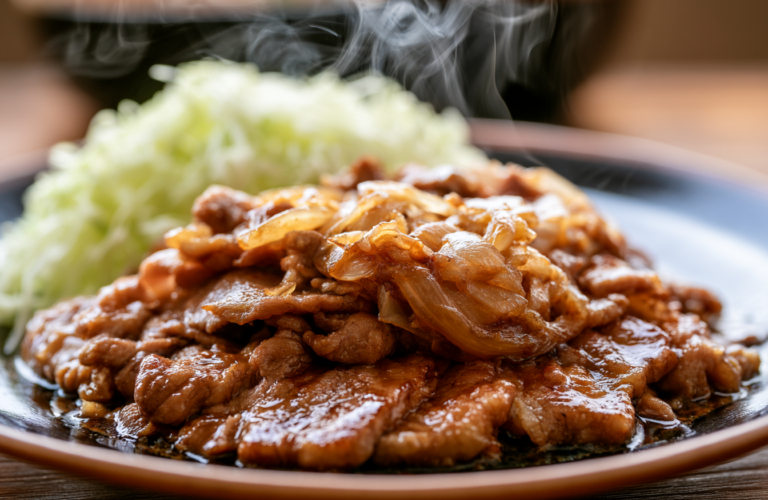
Shogayaki is the antidote to weeknight cooking stress — tender pork slices come together with a bright ginger-soy sauce in just 15 minutes. Thin pork slices are quickly pan-fried and coated in a savory-sweet sauce built on freshly grated ginger, soy sauce, mirin, and sake, then served over steaming rice with a fresh tangle of shredded raw cabbage for crunch and contrast. This is comfort food on a Tuesday night, elegant enough to serve guests, and a perfect recipe for learning how to build Japanese pan-sauce flavors.
What is ginger pork (shogayaki)?
Shogayaki is a Japanese pan-fried pork dish in which thin slices of pork are quickly cooked in a bright, ginger-forward sauce made from soy sauce, mirin, sake, and fresh grated ginger. The dish is part of the teishoku (set meal) tradition — pork and sauce served over plain rice with simple side vegetables, typically shredded cabbage and maybe a simple pickle. The name shogayaki comes from shoga (ginger) and yaki (pan-fried), and the speed and simplicity of the dish make it a weeknight staple in Japanese home cooking.
Why you’ll love it
- Ready in 15 minutes: Thin pork slices cook through in minutes, and the sauce comes together as the meat cooks.
- Bright and aromatic: Fresh ginger cuts through the richness of pork and creates a sauce that tastes restaurant-quality.
Ingredients (serves 2)
| Ingredient | Amount | Where to find it / Substitutes |
|---|---|---|
| Pork loin or shoulder, thinly sliced (about 5 mm / 0.2 inch thick) | 400 g (14 oz) | Ask the butcher counter to slice thinly, or freeze briefly and slice yourself |
| Fresh ginger, peeled | 2 tbsp grated (about 30 g / 1 oz) | Produce section; grate just before use |
| Soy sauce | 2 tbsp | Wheat, Soy ⚠️ |
| Mirin (sweet rice wine) | 2 tbsp | Asian grocery stores or online; or substitute 2 tbsp honey |
| Sake (rice wine) or dry sherry | 1 tbsp | Asian grocery stores or online; or substitute 1 tbsp water + a pinch of sugar |
| Brown or caster sugar | 1 tsp | Optional; balances salty and sweet |
| Vegetable oil | 1.5 tbsp | Canola or vegetable oil |
| Green cabbage, finely shredded | 200 g (7 oz) | Produce section; eat raw |
| Cooked short-grain rice | 2 bowls | Serve warm |
| Scallion (green onion), chopped | 1 tbsp | Produce section; optional garnish |
Food Safety Note: Make sure pork is fully cooked through — it should show no pink in the center and feel firm when pressed.
How to make it
-
Prep ahead. Grate ginger and shred cabbage 10–15 minutes before cooking, or just before. In a small bowl, whisk together soy sauce, mirin, sake, and sugar (if using).
-
Cook the pork. Heat oil in a large skillet over medium-high heat. When oil is hot and shimmering, add pork slices in a single layer (work in batches if needed to avoid overcrowding). Cook for 2–3 minutes, without stirring, until the bottom is lightly browned. Flip and cook the other side for 1–2 minutes until the pork shows no pink in the center and is cooked through.
-
Add ginger and sauce. When pork is nearly done, add grated ginger and stir for 30 seconds until fragrant. Pour the soy mixture over the pork and toss to coat. Simmer for 1–2 minutes, letting the sauce reduce slightly and coat the meat in a light glaze.
-
Serve. Divide hot rice between two bowls. Top each with cooked pork and sauce. Pile shredded cabbage on the side. Sprinkle with scallion if desired. Serve immediately while rice is hot.
Tips for success
- Thin slices cook fast. Ask the butcher to slice pork thinly, or partially freeze it (30 minutes) and slice yourself with a sharp knife. Thin meat cooks through in seconds.
- Ginger freshness matters. Grate ginger just before cooking to maximize its bright, zesty flavor. Ground ginger loses potency quickly.
- Don’t overcrowd the pan. Cook pork in batches if needed — a crowded pan steams rather than browns, losing flavor.
- Sauce timing. Add sauce in the final minute so the pork absorbs it without overcooking.
- Doneness by look. Pork is done when it shows no pink in the center. If unsure, cut a thick slice open to confirm.
Variations / Storage
- Chicken shogayaki: Substitute thin chicken breast or thigh slices and cook for 3–4 minutes per side.
- Vegetables added: Toss in thin-sliced onion or bell pepper with the pork for the last 2 minutes of cooking.
- More sauce: Double the soy-mirin mixture if you prefer a saucier dish with extra rice.
- Storage: Store leftover cooked pork and sauce in a clean airtight container in the refrigerator. Shredded raw cabbage is best eaten fresh. Reheat pork gently in a skillet with a splash of water over medium heat. Store in a clean airtight container in the refrigerator and enjoy it soon — storage life varies with conditions.
FAQ
Q. Can I use pork chops instead of sliced pork?
A. Thicker pork chops will take longer — 6–8 minutes total — and won’t absorb the sauce as quickly. Thin slices are traditional and faster.
Q. What if I don’t have fresh ginger?
A. Ground ginger loses intensity, so use 1 tsp and add it to the sauce mixture rather than cooking it fresh. The result will be milder but still tasty.
Q. Is mirin essential?
A. Honey works as a substitute (same amount), though it lacks mirin’s depth. You can also use 1 tbsp sake or water + 1 tsp sugar.
Q. Can I make this dish in advance?
A. Cook the pork and sauce ahead, then reheat gently over medium heat with a splash of water. Shredded cabbage is best assembled just before serving so it stays crisp.