cook
cook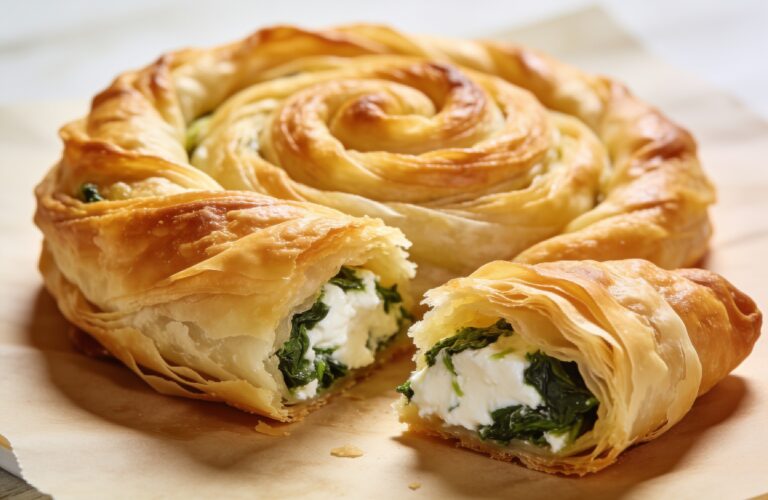
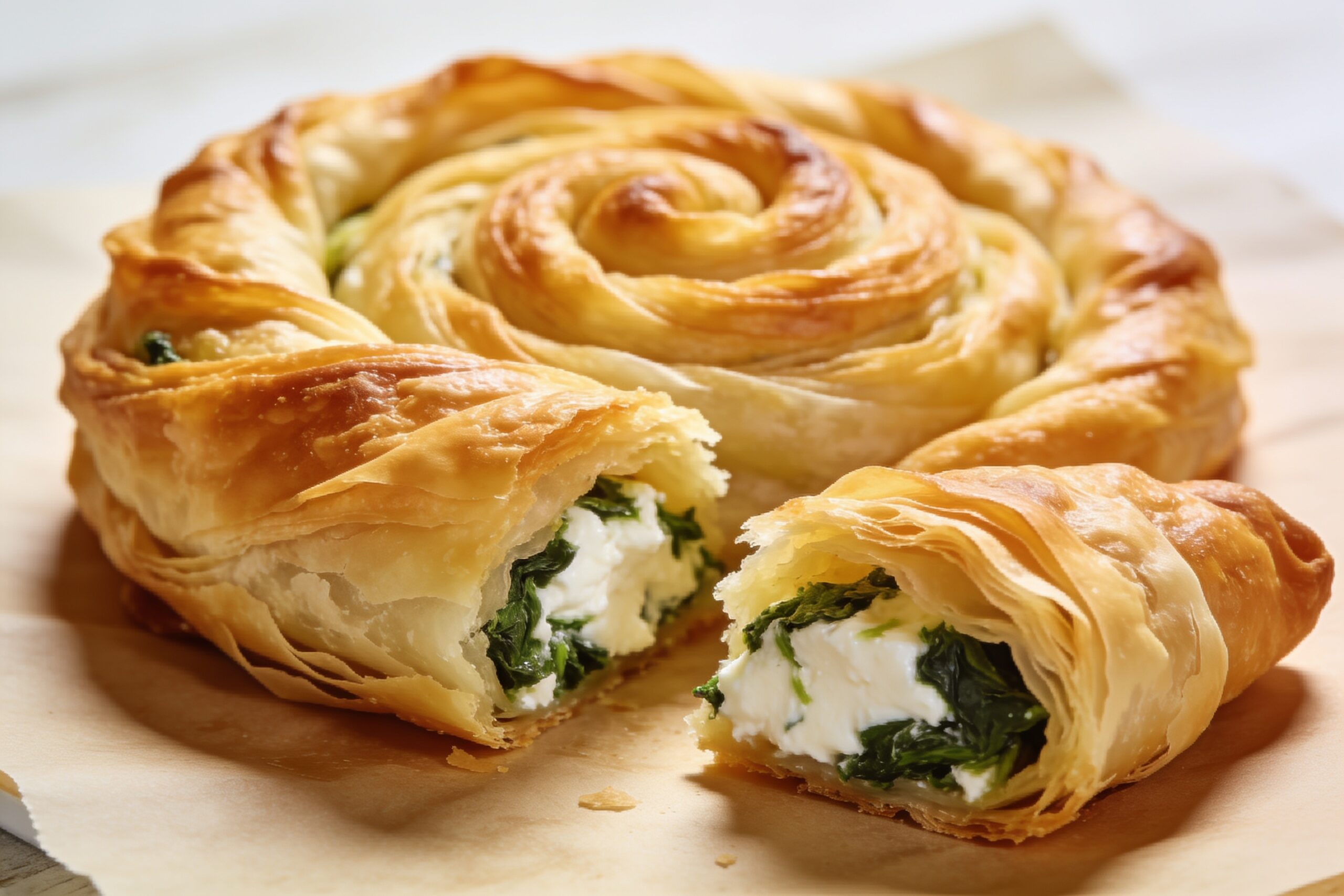
Borek is a beloved Turkish pastry made from paper-thin phyllo dough layered and filled with creamy cheese and cooked spinach, then baked until golden and crispy. Each bite shatters with delicate flakes of pastry giving way to a warm, savory filling. It’s perfect as an appetizer, snack, or light lunch—and surprisingly easy to make at home.
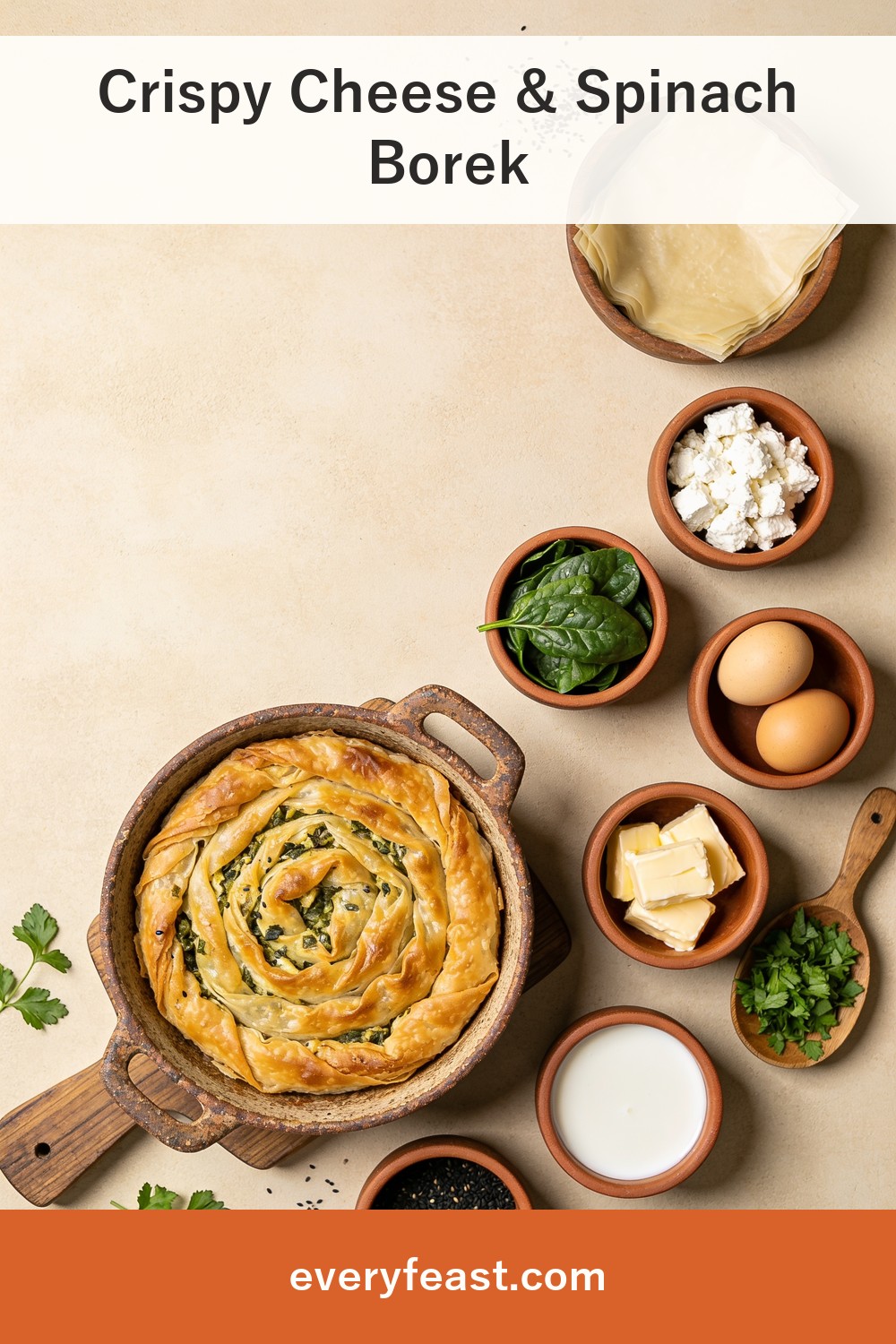
What is borek?
Borek is a traditional Turkish and Mediterranean pastry featuring crispy phyllo dough (or the thinner warqa pastry used in some regions) wrapped around a savory filling of cheese and spinach. It’s served warm, often cut into portions and eaten with your hands. The contrast between the shatteringly crisp exterior and the soft, creamy interior filling makes it addictively good.
Why you’ll love it
- Elegant and impressive, but made with just a few simple ingredients and no advanced techniques
- Naturally vegetarian and freezer-friendly; make ahead and bake fresh
- Perfect for entertaining, lunch boxes, or a light dinner alongside a salad
Ingredients (serves 8)
| Ingredient | Amount | Where to find it / Substitutes |
|---|---|---|
| Frozen spinach, chopped | 400 g (14 oz, thawed and drained) | Frozen vegetable aisle; or fresh spinach (300 g raw) |
| Feta cheese, crumbled | 200 g (1.5 cups) | Dairy section; or ricotta for a milder option |
| Gruyère or mozzarella cheese, shredded | 100 g (1 cup) | Dairy section; adds richness and meltability |
| Eggs | 1 large | Dairy section; acts as binder |
| Onion, finely diced | 0.25 medium | Produce section |
| Garlic, minced | 1 clove | Produce section |
| Fresh dill, chopped | 2 tbsp | Produce section, fresh herbs; or 1 tsp dried dill |
| Fresh parsley, chopped | 2 tbsp | Produce section, fresh herbs |
| Salt | 0.5 tsp | Pantry staple |
| Black pepper | 0.25 tsp | Pantry staple |
| Phyllo pastry sheets (warqa pastry) | 250 g (about 15–18 sheets) | Frozen section or specialty aisle; thaw per package directions |
| Butter, melted | 100 g (7 tbsp / 0.5 cup) | Dairy section; or use olive oil |
| Water (for brushing) | 60 ml (0.25 cup) | Tap water, if needed |
Allergens: Dairy (feta, Gruyère); eggs; tree nuts not present but check phyllo packaging for cross-contamination. Handle and serve hot pastry carefully to avoid burns.
How to make it
-
Prepare the filling: If using frozen spinach, thaw it completely in a colander and press firmly with a clean kitchen towel to remove excess moisture. Transfer the drained spinach to a large bowl. Add the crumbled feta, shredded Gruyère or mozzarella, egg, diced onion, minced garlic, fresh dill, fresh parsley, salt, and black pepper. Stir until well combined. Taste and adjust seasoning if needed.
-
Prep the phyllo: Preheat the oven to 190℃ (375℉). Line a large baking sheet with parchment paper. Remove the phyllo from the freezer and thaw per package directions (usually 30 minutes at room temperature). Gently unfold the sheets—they tear easily, so handle with care.
-
Layer and fill: Lay one phyllo sheet on a clean, dry work surface. Brush lightly with melted butter. Layer three sheets, brushing each lightly with butter as you go (you’ll use 3–4 sheets for the base). Spread about one-third of the filling down the center of the stacked sheets, leaving a border of about 2–3 cm (1 inch) on the sides and ends. Fold the top and bottom edges over the filling, then tightly roll from one long side to the other, creating a log shape. Place seam-side down on the prepared baking sheet. Brush the outside generously with melted butter.
-
Repeat: Repeat the layering and rolling process two more times with the remaining phyllo and filling, creating three borek logs total. Space them out on the baking sheet.
-
Bake: Bake for 20–25 minutes, until the pastry is golden brown and crispy. The filling will be hot and the cheese melted.
-
Cool and serve: Remove from the oven and let rest for 5 minutes. Cut each borek log diagonally into 4–6 pieces. Serve warm, optionally with a dollop of sour cream or yogurt on the side.
Tips for success
- Drain the spinach well: Excess moisture is the enemy of crispy phyllo. Squeeze the thawed spinach really well to remove all water.
- Keep phyllo covered: Unfold sheets one at a time and keep the rest covered with a damp towel to prevent drying out.
- Brush butter generously: Don’t skip the butter between layers; it’s what makes the phyllo crispy and golden.
- Roll tightly: A tight roll prevents the filling from leaking out during baking.
- Use a sharp knife: Cut the baked borek with a serrated or very sharp knife in one clean motion to avoid shattering the pastry.
Variations / Storage
- Meat version: Replace the spinach and cheese filling with 200 g (0.5 lb) ground lamb or beef browned with onion and spices, mixed with a bit of ricotta.
- Potato and cheese: Use a filling of 300 g (1 lb) mashed cooked potatoes, cheese, and herbs for a heartier borek.
- Add nuts: Stir 50 g (0.5 cup) finely chopped walnuts into the filling for texture (note: tree nut allergen).
- Storage: Store cooled borek in an airtight container in the refrigerator for up to 4 days — storage life varies with conditions. Reheat in a 160℃ (320℉) oven for 8–10 minutes. Unbaked borek freezes beautifully for up to one month; bake straight from frozen, adding 5–10 minutes to the baking time.
FAQ
Q. What is the difference between phyllo and warqa pastry?
A. Warqa is a thinner, more delicate pastry traditional to North Africa and some parts of Turkey. Phyllo is the more widely available Western equivalent. Both work for this recipe.
Q. Can I use fresh spinach instead of frozen?
A. Yes—use 300 g (10 oz) of fresh spinach. Sauté it in a hot pan until wilted, then drain very thoroughly and proceed with the recipe.
Q. My phyllo sheets tore. Can I still use them?
A. Yes—just layer them anyway, slightly overlapping the torn edges. Once buttered and baked, small tears are barely noticeable.
Q. Can I make borek ahead and freeze it?
A. Yes—assemble the borek, wrap tightly, and freeze for up to one month. Bake from frozen, adding about 5–10 minutes to the baking time.
Q. What’s the best serving temperature?
A. Borek is best served warm, shortly after baking, when the pastry is at its crispiest. Leftovers can be reheated but won’t be quite as crisp.