cook
cook
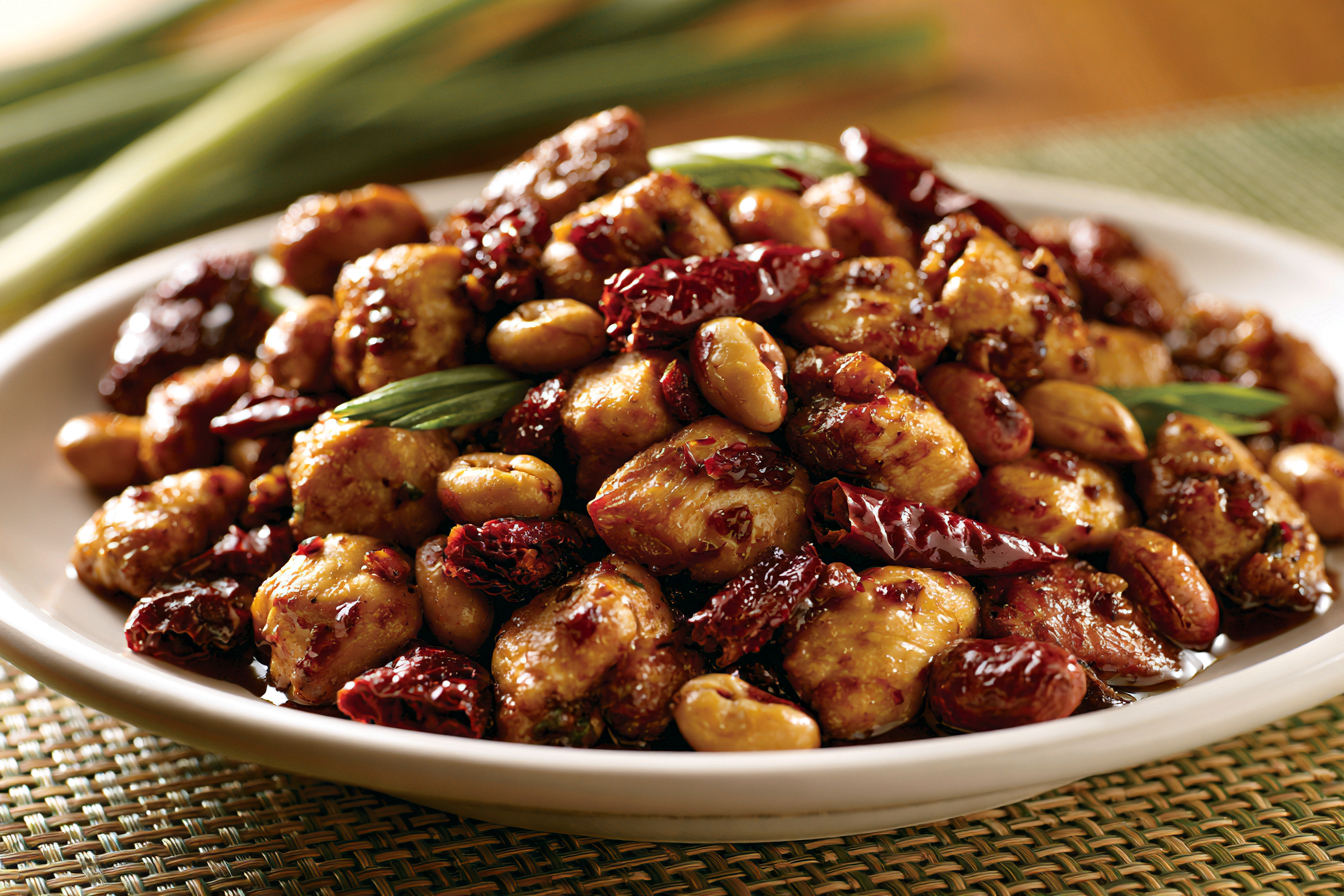
Kung pao chicken is the Sichuan classic that keeps you reaching for another bite—tender diced chicken tossed with roasted peanuts and dried chilis in a savory, spicy, and slightly sweet sauce tinged with Sichuan pepper’s distinctive numbing heat. It’s restaurant-quality but entirely makeable at home.
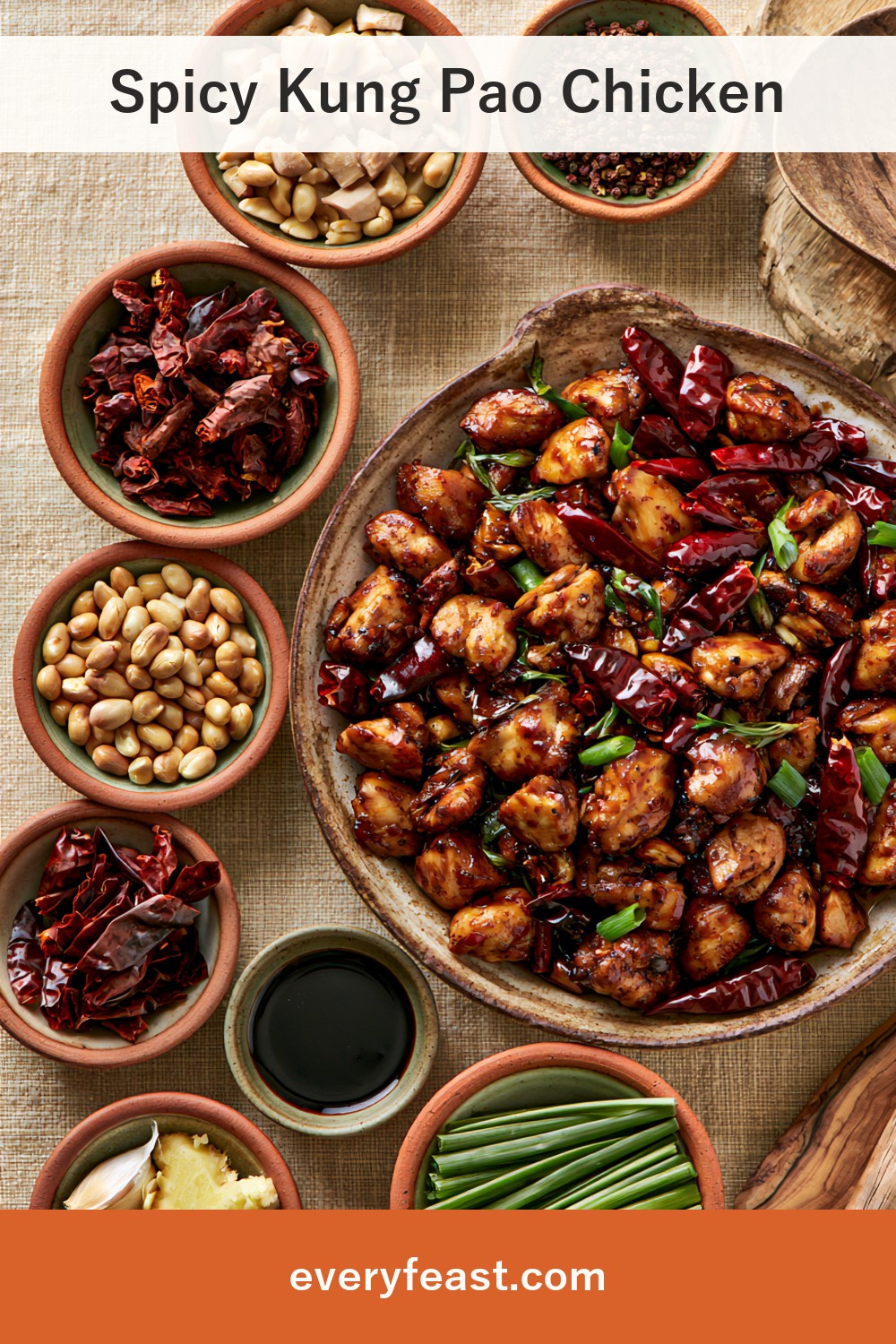
What is kung pao chicken?
Kung pao chicken (or gong bao ji ding in Mandarin) originates from Sichuan province in southwest China. The dish combines diced chicken with roasted peanuts, dried red chilies, and Sichuan peppercorns in a glossy sauce balanced between salty, sweet, and spicy. The Sichuan pepper’s signature numbing sensation makes this dish unforgettable.
Why you’ll love it
- Perfectly balanced heat, sweetness, and umami from the sauce
- Tender, crispy-edged chicken paired with crunchy roasted peanuts
- A restaurant favorite you can make at home in 30 minutes
- Great over steamed rice or with noodles
Ingredients (serves 4)
| Ingredient | Amount | Where to find it / Substitutes |
|---|---|---|
| Boneless, skinless chicken thighs or breasts | 600 g (1.3 lb) | Supermarket; thighs stay juicier |
| Roasted, unsalted peanuts | 150 g (1 cup / 5.3 oz) | Nuts aisle; or raw peanuts (toast before serving) |
| Dried red chili peppers | 8–10 whole | Asian grocery stores or online; remove seeds for less heat if preferred |
| Sichuan peppercorns | 1 tbsp | Asian grocery stores or online; creates a numbing sensation |
| Soy sauce | 3 tbsp (45 ml) | Asian grocery stores or online |
| Rice vinegar | 2 tbsp (30 ml) | Asian grocery stores or online |
| Sugar or honey | 1.5 tbsp | Pantry staple |
| Garlic, minced | 4 cloves | Fresh produce |
| Fresh ginger, grated | 1 tbsp (about 15 g / 0.5 oz) | Fresh produce |
| Scallions (green onions), chopped | 2 stalks | Produce section |
| Neutral oil (vegetable or peanut) | 3 tbsp | Pantry staple |
| Sesame oil | 1 tbsp | Asian grocery stores or online |
| Cornstarch | 1 tbsp | Pantry staple |
| Water | 120 ml (1/2 cup) | Tap water |
| Salt and white pepper | To taste | Pantry staple |
Allergens: Peanuts, soy (soy sauce), wheat (soy sauce).
How to make it
-
Prepare the chicken: Cut the chicken thighs or breasts into bite-sized cubes (about 2 cm / 0.75 in). In a small bowl, toss the chicken pieces with 1 tbsp cornstarch, a pinch of salt, and white pepper. Let sit for 10 minutes.
-
Make the sauce: In a separate bowl, whisk together the soy sauce, rice vinegar, sugar, 120 ml (1/2 cup) water, and sesame oil. Set aside.
-
Toast the Sichuan pepper: Heat a small dry skillet over medium heat. Add the Sichuan peppercorns and toast for 1–2 minutes, stirring constantly, until fragrant. Grind roughly using a mortar and pestle or spice grinder and set aside.
-
Cook the chicken: Heat 2 tbsp of neutral oil in a large wok or skillet over high heat. Once shimmering, add the chicken pieces in a single layer and let them cook undisturbed for 2–3 minutes until the bottom is golden. Stir and continue cooking for 3–4 minutes more until the chicken is cooked through with no pink in the center. Transfer to a plate.
-
Build the sauce base: Add 1 tbsp oil to the wok over medium-high heat. Add the minced garlic, grated ginger, and dried red chili peppers. Stir constantly for 30 seconds until fragrant (be careful not to burn the garlic).
-
Combine and finish: Pour the prepared sauce into the wok and bring to a simmer. Add the cooked chicken back to the wok and stir well, coating each piece. Cook for 2–3 minutes, stirring occasionally, until the sauce thickens slightly and coats the chicken. Fold in the roasted peanuts gently. Taste and adjust salt and spice as needed (add more chili if you want more heat, or remove some dried peppers for milder flavor).
-
Serve: Transfer to a serving dish and garnish with the chopped scallions and toasted ground Sichuan pepper. Serve hot over steamed rice.
Tips for success
- Toast Sichuan peppercorns: Toasting them brings out their distinctive, numbing, citrusy flavor. Don’t skip this step.
- High heat for the chicken: Cooking the chicken over high heat at the start creates a light golden crust and locks in moisture. Don’t stir too early.
- Adjust spice to taste: Dried chilies vary in heat. If you prefer milder kung pao, remove the seeds from the chilies or use fewer peppers. If you like it spicy, add more chili or leave them whole.
- Sichuan pepper is essential: It’s what gives authentic kung pao its signature numbing sensation. It’s widely available online and worth seeking out.
- Fresh scallions at the end: Adding them fresh (not cooked) preserves their bright, onion-like bite.
Variations / Storage
- Vegetarian: Substitute 400 g (14 oz) of pressed tofu cubes or cashews for the chicken, and follow the same cooking method (tofu and cashews don’t need the initial high-heat cooking).
- Milder version: Use fewer dried chilies, remove their seeds, or swap them for 1/4 tsp of crushed red pepper flakes for gentler heat.
- Add vegetables: Stir in diced bell peppers, mushrooms, or water chestnuts in step 5 for extra texture and color.
- With rice: Serve over steamed jasmine or white rice to absorb the delicious sauce.
- Storage: Store in a clean airtight container in the refrigerator and enjoy it soon — storage life varies with conditions.
FAQ
Q. What is Sichuan pepper and where can I find it?
A. Sichuan peppercorns are the dried berries of a Chinese shrub and have a distinctive numbing, citrusy flavor. They’re available in Asian grocery stores and online (Amazon, specialty spice retailers). They’re essential to authentic kung pao, so don’t skip them.
Q. Can I use fresh chili instead of dried?
A. Fresh chili works, but dried chili peppers are traditional. Use 6–8 fresh red chilis (finely chopped) and add them in step 5. The flavor profile will be slightly different but still delicious.
Q. Why is my sauce too thin?
A. Mix 1 tbsp cornstarch with 2 tbsp water to make a slurry, then stir it into the simmering sauce. It will thicken quickly.
Q. Is this dish very spicy?
A. It can be if made with the full amount of chili peppers. Start with 6 peppers and add more if you like. Remove the seeds to reduce heat, or use fewer peppers.